





What Is Mohs Micrographic Surgery (MMS)?
All About Mohs Micrographic Surgery
Dr. Salar Hazany proudly stands as one of the very few surgeons in the nation who meet all the criteria above. Read his story below, then take a look at his results and reviews
Mohs micrographic surgery is a highly effective surgical procedure for several types of dangerous skin cancers (listed here). The surgery involves removing skin cancers in a systematic and gradual manner, where the malignant cells are removed layer-by-layer, and the complete depth and circumference of cancer tissue margins are examined until only cancer-free tissue remains.
Our Core Pillars
Natural-Looking Results
Review their Mohs before-and-afters. Scars should be minimal, and the outcome should look seamless.
Proven Satisfaction
Check Google and Yelp reviews to ensure real patients trust their care and outcomes.
Trained Expertise
Choose a surgeon with 500+ Mohs cases during advanced, post-residency training.
Certified Dermatologist
This ensures advanced knowledge and safety in diagnosing and treating skin cancers.
Certified in Surgery
The highest credential for Mohs surgeons — proving exceptional precision and results.
Dr. Hazany is a fellowship-trained Mohs surgeon in Beverly Hills with world-class training and more than 25,000 successful surgeries.



Mohs Wound Reconstruction for Physically-Active Patients
For patients who are athletes or generally physically active, wound reconstruction following Mohs surgery entails several considerations to ensure a safe and expeditious return to regular activity
Check out the video below to see how Dr. Hazany considers functional design in Mohs surgery wound reconstruction.
The primary goal of Mohs micrographic surgery is to completely remove skin cancer.
A fellowship-trained Mohs surgeon, Dr. Hazany is an expert in Mohs micrographic surgery (MMS). Mohs is the most effective treatment for skin cancer, including the two most common types: basal cell carcinoma (BCC) and squamous cell carcinoma (SCC). The process involves the systematic removal of cancerous tissue.

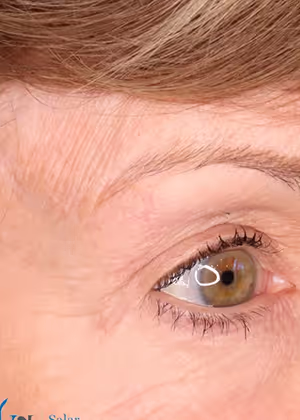
Your eyelids play an important role in the health and proper functioning of your eyes.
Frequently Asked Questions
Learn how Mohs micrographic surgery works for treating skin cancer with precision, high cure rates, and minimal scarring.
What is skin cancer?
Skin cancer is the abnormal growth of skin cells. Skin cancer often develops in areas of the skin with significant sunlight exposure. The ultraviolet rays in sunlight can damage and mutate the DNA in your skin cells. Over time, this may cause your skin cells to grow uncontrollably. Though, skin cancer can also develop in areas that do not receive sunlight exposure. Some common risk factors for skin cancer include having a lighter complexion, excessive sun exposure, and a family history of skin cancer. Read more about skin cancer here.
What are the advantages of Mohs surgery over standard skin cancer removal?
Mohs micrographic surgery has several significant advantages compared to standard surgical excision for skin cancer treatment. The layer-by-layer microscopic examination means 100% of tissue margins are examined, versus standard surgery which examines only the outer edge. This comprehensive margin assessment results in cure rates above 98%, higher than standard excision techniques. Mohs surgery removes only cancerous tissue layer-by-layer, preserving maximum healthy skin unlike standard surgery which removes larger margins of normal tissue. The preserved healthy tissue is especially important on the face where cosmetic outcome matters. Mohs allows immediate reconstruction while margins are confirmed cancer-free, providing better healing and cosmetic results. The procedure is performed in an office setting rather than a hospital, reducing costs and recovery time. Dr. Salar Hazany's expertise in Mohs surgery ensures patients receive these substantial advantages. The combination of high cure rates, tissue preservation, and superior cosmetic outcomes makes Mohs the gold standard for skin cancer treatment.
Is Mohs surgery painful and how long does the procedure take?
Mohs surgery is not painful due to local anesthesia administered at the beginning of the procedure. The initial injection of anesthetic may cause brief discomfort, but most patients report minimal pain once the area is numb. Patients may feel pressure or vibration during surgery but not pain. If anesthesia wears off during a long procedure, additional anesthetic is administered. The length of Mohs surgery varies depending on tumor size and location but typically takes 1-3 hours. The procedure includes several phases: initial examination and marking, first tissue removal, microscopic examination, possible additional removal if cancer remains, and final reconstruction. Patients wait between stages while tissue is processed and examined. During this wait time, they can relax in the waiting area. The comprehensive examination and careful removal means Mohs takes longer than standard surgery but the results justify the time investment. Dr. Hazany's efficiency means procedures move as smoothly as possible while maintaining the highest standards.
What types of skin cancer are best treated with Mohs surgery?
Mohs micrographic surgery is particularly valuable for certain types of skin cancer. It's ideal for basal cell carcinoma and squamous cell carcinoma, the two most common skin cancers. Mohs is especially indicated for tumors with ill-defined borders that are difficult to identify. High-risk locations like the face, ears, lips, and eyelids benefit greatly from Mohs tissue-sparing advantages. Recurrent skin cancers (cancer in areas previously treated) are good Mohs candidates because tissue margins are critical. Large or aggressive-appearing tumors benefit from Mohs' comprehensive margin assessment. Tumors in younger patients warrant Mohs to preserve maximum tissue for long-term cosmetic outcome. Melanoma can be treated with Mohs in specialized hands, though standard surgery remains common. Dr. Hazany selects Mohs for cases where margin certainty and cosmetic outcome are paramount. His extensive experience treating complex cases with Mohs ensures optimal outcomes.
What is the recovery process like after Mohs surgery?
Recovery after Mohs surgery depends on the size and location of the tumor and the reconstruction performed. Immediately after surgery, the area is bandaged with specific care instructions provided. The bandage protects the wound and should be kept clean and dry. Pain is typically minimal; mild discomfort is managed with over-the-counter pain medication. Swelling and bruising are common but gradually improve over days to weeks. Stitches are usually removed in 7-14 days depending on location. During recovery, sun protection is critical to allow optimal healing. Strenuous activity and heavy lifting should be avoided for 1-2 weeks to prevent wound complications. Most patients can return to work within days, with activity restrictions. Scar appearance improves over months as healing progresses and inflammation resolves. Dr. Hazany's surgical technique and careful reconstruction typically result in minimal, well-hidden scars. Detailed aftercare instructions ensure optimal healing and cosmetic outcome.
Why is Mohs surgery so effective for treating skin cancer?
Mohs micrographic surgery's exceptional effectiveness comes from the comprehensive margin examination. Unlike standard surgery where only the outer edge is examined, Mohs examines 100% of the tissue margin under the microscope. This means no cancer cells can hide in unexamined areas. The surgeon-pathologist combination allows immediate feedback about whether cancer remains. If cancer is found, the surgeon knows exactly where to remove additional tissue, making removal precise and tissue-sparing. The layer-by-layer approach removes only tissue necessary to achieve clear margins. This combination of comprehensive examination and targeted removal ensures complete cancer removal with minimal tissue sacrifice. The high cure rates reflect the effectiveness of this technique. Dr. Hazany's fellowship training and extensive experience make him highly skilled at the procedure. The 98%+ cure rates with Mohs surgery explain why it's the gold standard and why patients seek this treatment
How should I prepare for Mohs micrographic surgery?
Proper preparation ensures Mohs surgery goes smoothly and safely. Stop aspirin, ibuprofen, and other blood thinners 5-7 days before surgery as directed by Dr. Hazany; these increase bleeding during the procedure. Continue other medications unless otherwise instructed. Arrange transportation home as you shouldn't drive after surgery due to anesthesia and possible sedation. Eat a light breakfast before surgery but nothing in the 2 hours immediately before. Wear comfortable, clean clothes with easy access to the surgical site. Avoid heavy makeup or moisturizers on the day of surgery. Bring a list of all medications and allergies. Arrive early to complete paperwork. Discuss any concerns or questions with Dr. Hazany before surgery. Follow all pre-operative instructions carefully to ensure safety and optimal results. Hazany Derm's detailed pre-operative information prepares patients thoroughly for successful surgery.