





Laser Treatments

Refresh Your Appearance
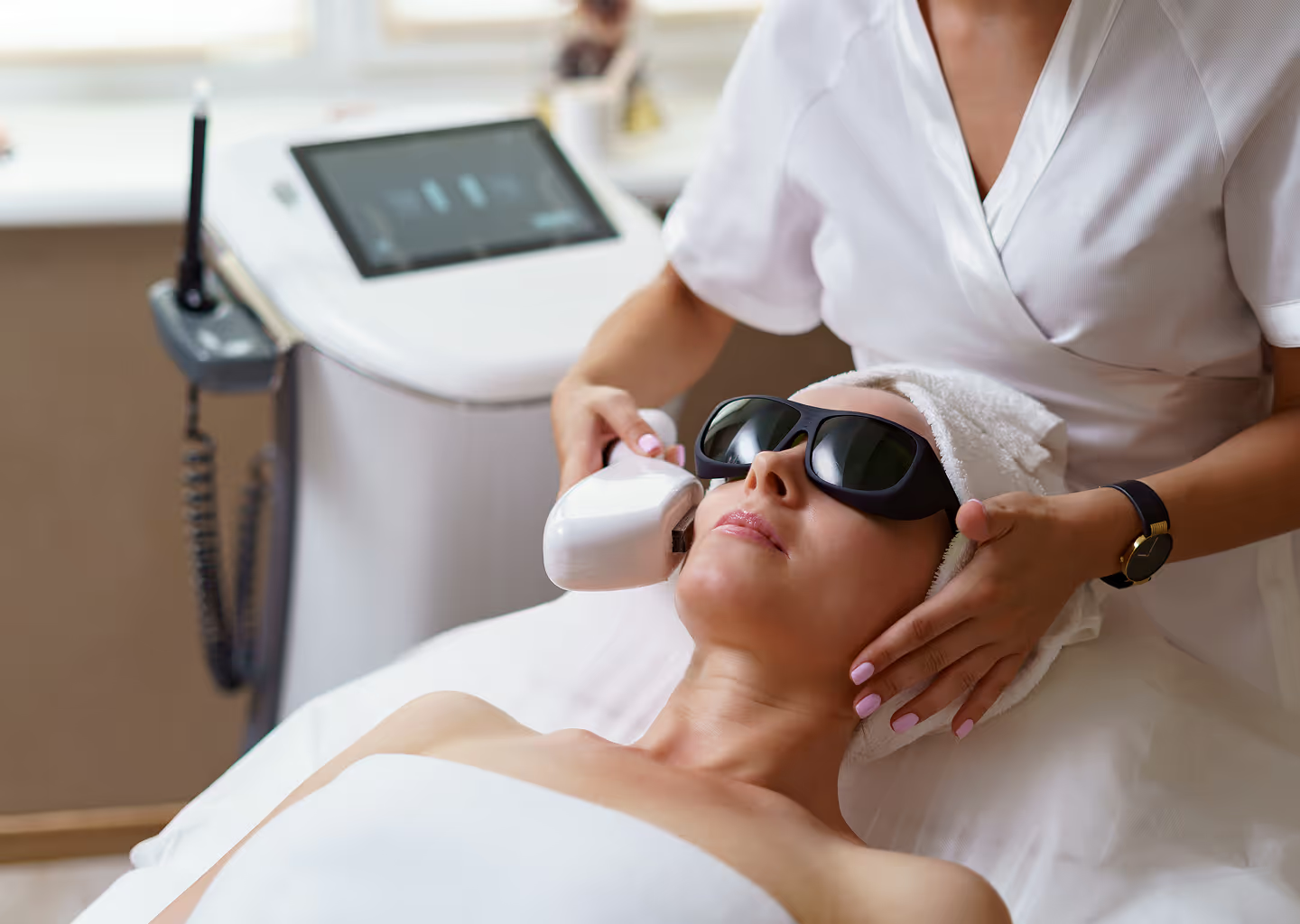
Discover the transformative power of advanced laser treatments with Dr. Hazany. Whether you're looking to reduce fine lines, erase sun damage, treat acne scars, or rejuvenate your skin’s overall appearance, our state-of-the-art laser technology delivers safe, precise, and effective results. Each treatment is customized to your skin type and aesthetic goals, with minimal downtime and long-lasting improvements. Reveal smoother, clearer, more youthful-looking skin—book your consultation today.



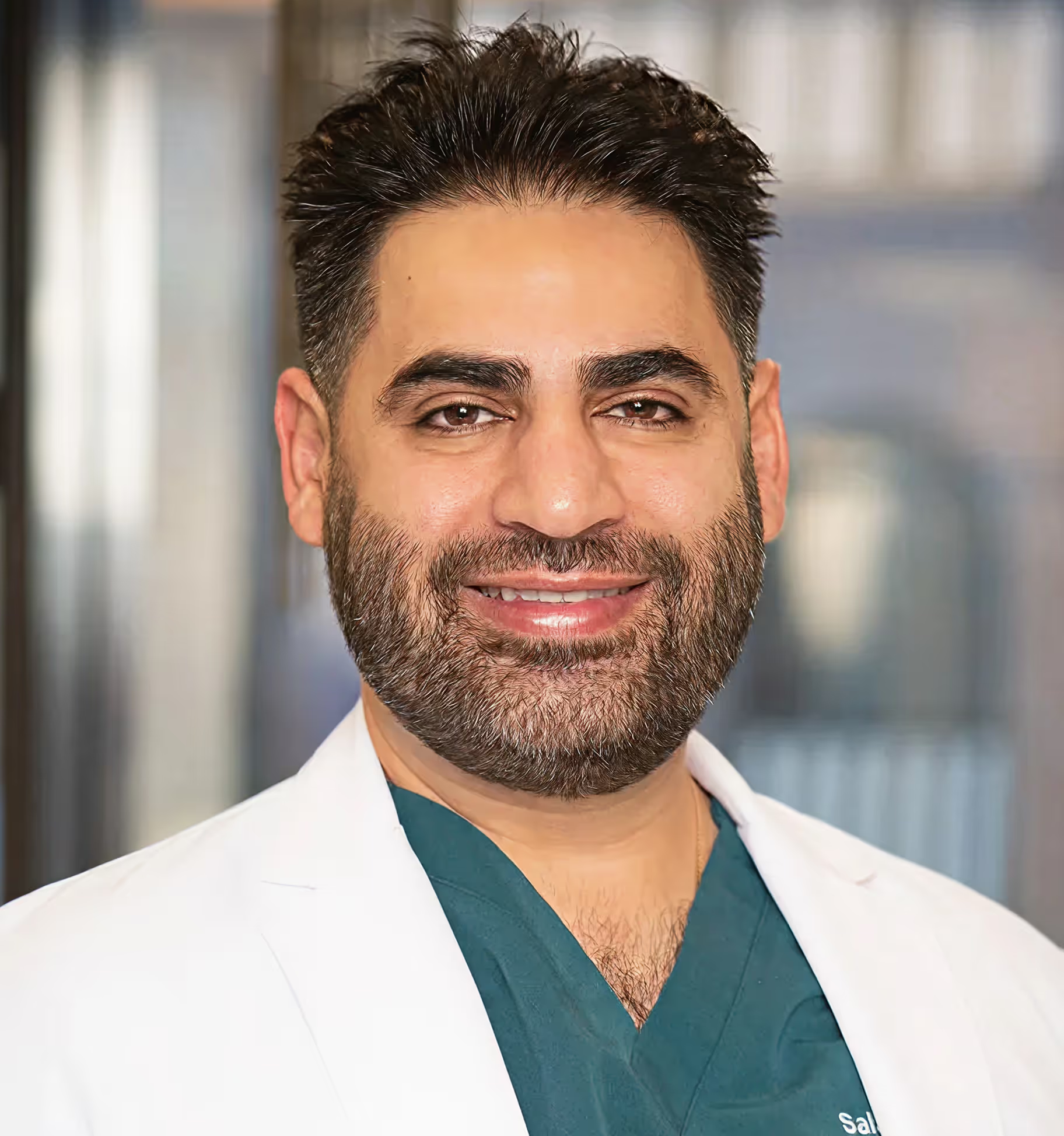
Meet Dr. Salar Hazany
Dr. Salar Hazany is a board-certified dermatologist and fellowship-trained Mohs micrographic surgeon who is originally from Los Angeles, California. Through years of intense education and training, he has honed his practice of the latest and most cutting-edge medical and cosmetic dermatology methods to enhance and optimize his patients’ quality of life. Known as “Dr. Cancer Killer” on social media platforms, Dr. Hazany shares his ability to treat serious forms of skin cancer, in addition to treating both commonplace and esoteric skin conditions.
Frequently Asked Questions
Advanced laser treatments address skin aging, discoloration, texture, and vascular concerns for comprehensive skin rejuvenation.
What types of lasers are used in dermatology and what do they treat?
Multiple laser types are used in dermatology, each with specific applications. CO2 lasers vaporize skin and are excellent for resurfacing wrinkles and scars. Erbium lasers work similarly with potentially less heat damage. Nd:YAG lasers penetrate deeply and target hemoglobin, treating vascular lesions and pigmentation. IPL (intense pulsed light) treats pigmentation, sun damage, and rosacea. Alexandrite and diode lasers remove hair and treat pigmented lesions. Picosecond lasers treat tattoos and pigmentation with minimal damage. Each laser has specific wavelengths affecting different skin components. The experts at Hazany Derm select appropriate laser types based on specific skin concerns. Modern dermatology practices have multiple laser types available.
How do laser treatments improve sun damage and photoaging?
Laser treatments address photoaging through multiple mechanisms. Laser light targets melanin and hemoglobin in sun-damaged skin. CO2 and erbium lasers vaporize damaged surface layers. Heat from lasers stimulates collagen production in deeper layers. IPL treats brown spots and redness from sun damage. Laser treatments improve sun damage appearance significantly. Results appear gradually as collagen remodels—full results develop over months. Multiple treatments spaced weeks apart provide cumulative improvement. Earlier intervention produces better results than waiting until extensive damage occurs. Sun protection after laser treatment prevents new damage. Dr. Hazany's expertise ensures appropriate laser selection for specific sun damage.
What is fractional laser treatment and why is it beneficial?
Fractional laser treatment treats only portions of skin surface, leaving untreated areas between treatment zones. This pattern accelerates healing compared to full-field treatment. Fractional approaches provide significant improvement with less downtime. The untreated areas help guide normal healing processes. Fractional treatment typically requires multiple sessions but with reduced downtime per session. Results are often comparable to full-field treatment but achieved more comfortably. Fractional CO2 and erbium lasers are popular for scar and wrinkle treatment. The balance between results and recovery makes fractional treatments appealing to many patients. Dr. Hazany uses fractional approaches when appropriate.
What is the downtime and recovery after laser treatments?
Recovery varies significantly by laser type and intensity. Superficial lasers may require minimal to no downtime. Intermediate-depth lasers cause redness and peeling lasting 3-7 days. Deep lasers like fractional CO2 cause significant peeling and redness lasting 7-14 days. Most patients can resume normal activities within days, though visible effects may persist. Makeup can be applied after 24 hours for most treatments. Sun protection is absolutely critical during healing. Ointments support healing and minimize scarring risk. Strenuous exercise should be avoided for several days. Activities exposing treated skin to irritants should be avoided. Most patients find temporary effects worthwhile for improvement achieved. Dr. Hazany provides detailed aftercare instructions.
How many laser treatments are needed for optimal results?
Treatment number varies by condition and laser type. Hair removal typically requires 6-8 treatments spaced weeks apart. Age spot removal may require 1-3 treatments. Acne scar treatment often requires 3-5 sessions. Rosacea or redness may improve with 1-3 treatments. Wrinkle improvement may require multiple treatments over months. Each treatment stimulates cumulative improvement. Sessions are spaced to allow healing. Dr. Hazany assesses progress and recommends appropriate treatment intervals. Most patients see improvement after early treatments with increasing results with continued therapy. The cumulative effect produces superior results compared to single treatments.
Can laser treatments be performed on darker skin types?
Yes, laser treatments can be safely performed on darker skin types with appropriate expertise and technique. Certain laser wavelengths work better on darker skin—longer wavelengths are often preferred. Darker skin types require careful settings to avoid complications. Risk of postinflammatory hyperpigmentation and hypopigmentation exists but is minimized with proper technique. Experienced providers like Dr. Salar Hazany can safely treat darker skin. The team at Hazany Derm has expertise treating all skin tones. Treatment parameters are customized for individual skin characteristics. Darker skin patients should seek providers experienced with diverse skin tones. Results on darker skin can be excellent when treated appropriately.
What should I expect during laser consultation?
Laser consultation begins with discussion of skin concerns and treatment goals. The dermatologist examines your skin and may test laser response. Discussion of laser types appropriate for specific concerns occurs. Expectations about results timeline and number of treatments are discussed. Detailed explanation of recovery and aftercare is provided. Before-and-after photos show typical results. Honest discussion of realistic expectations prevents disappointment. Cost and financing options are reviewed. Questions are encouraged and thoroughly answered. Dr. Hazany takes time to understand individual goals and skin characteristics. Comprehensive consultation helps patients make informed decisions.