






Anti Aging

Aging Is Inevitable
Let It Be On Your Terms
Loose Skin, Wrinkles,
and Fine Lines
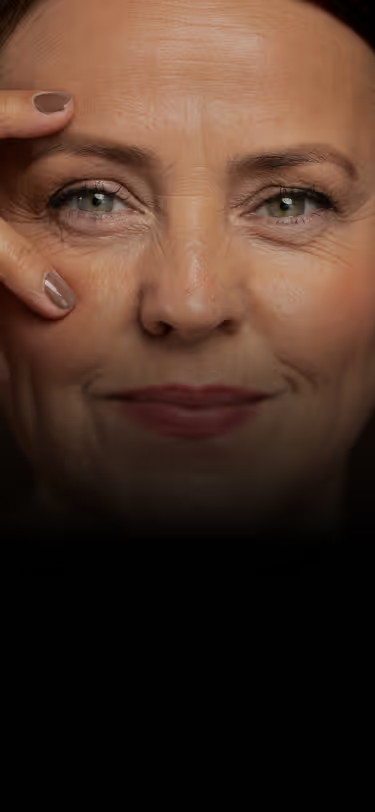
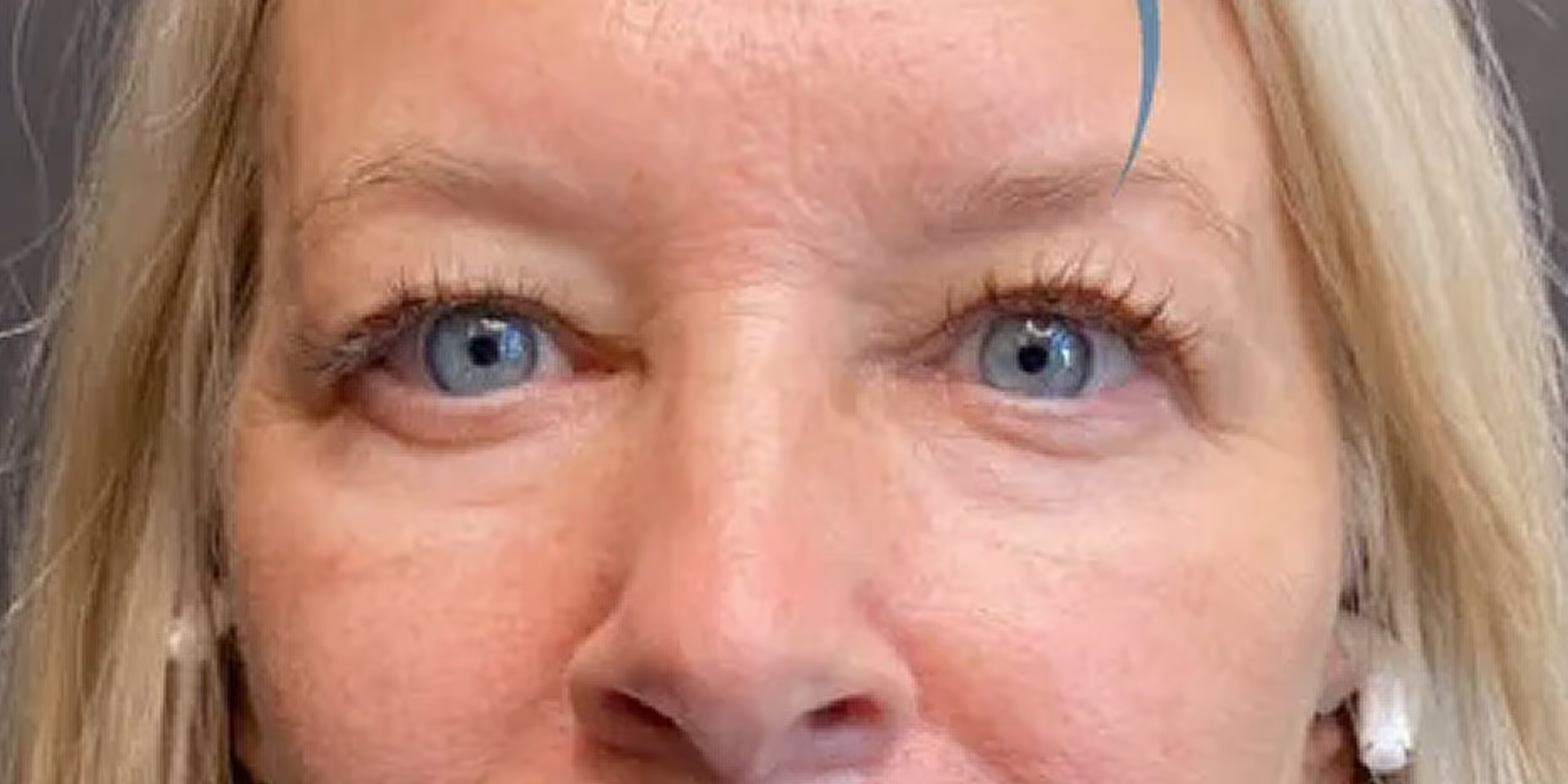
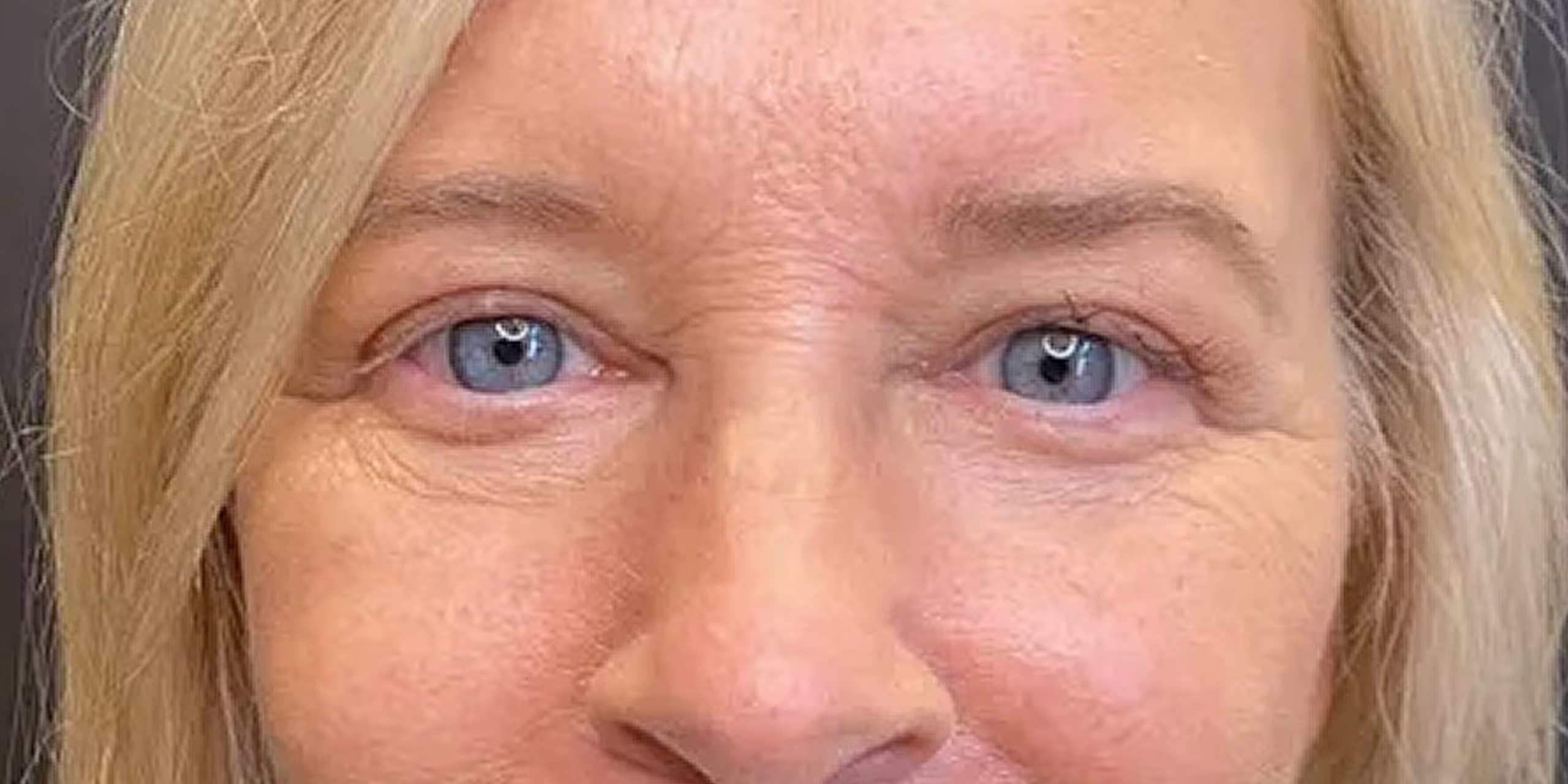
Fine lines, wrinkles, and loose, sagging skin can be uncomfortable and make you self-conscious. Dr. Hazany uses both non-surgical and surgical cosmetic procedures to treat such aging symptoms. Dr. Hazany is well versed in non-surgical treatments such as chemical peels,fillers for wrinkles, and other cosmetic filler injections. To achieve a more permanent result, Dr. Hazany is also an expert in blepharoplasty, brow lifts, and mini-facelifts.
%201.avif)
%201-1.avif)
Age Spots, Liver Marks,
and Photoaging
Chronic exposure to ultraviolet radiation from the sun results in small dark spots on the skin called age spots, liver marks, or photoaging.While age spots vary in size and color, they typically appear in areas that receive the most sun exposure, like the hands, face, shoulders, arms, forehead, and scalp. Because these sun-exposed areas are at risk for developing skin cancer, a board-certified dermatologist like Dr. Hazany must confirm that pigment discoloration is not cancer. Once Dr. Hazany rules out skin cancer, he devises a bespoke treatment plan to remove your age spots that might include chemical peels, dermabrasion, microdermabrasion, laser treatment, or topical medication.
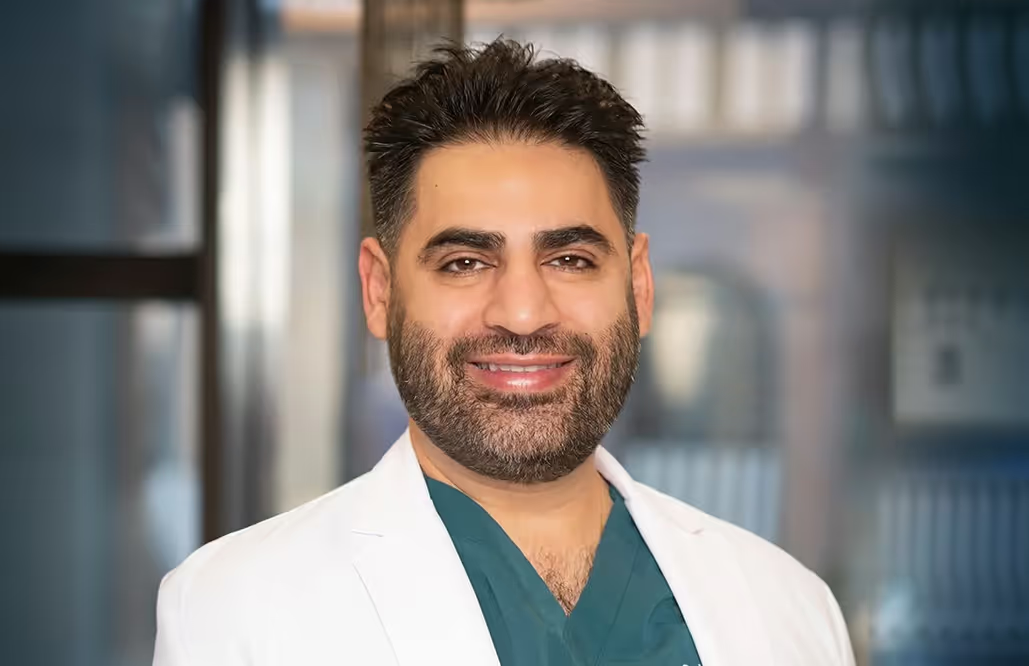
Meet Dr. Salar Hazany
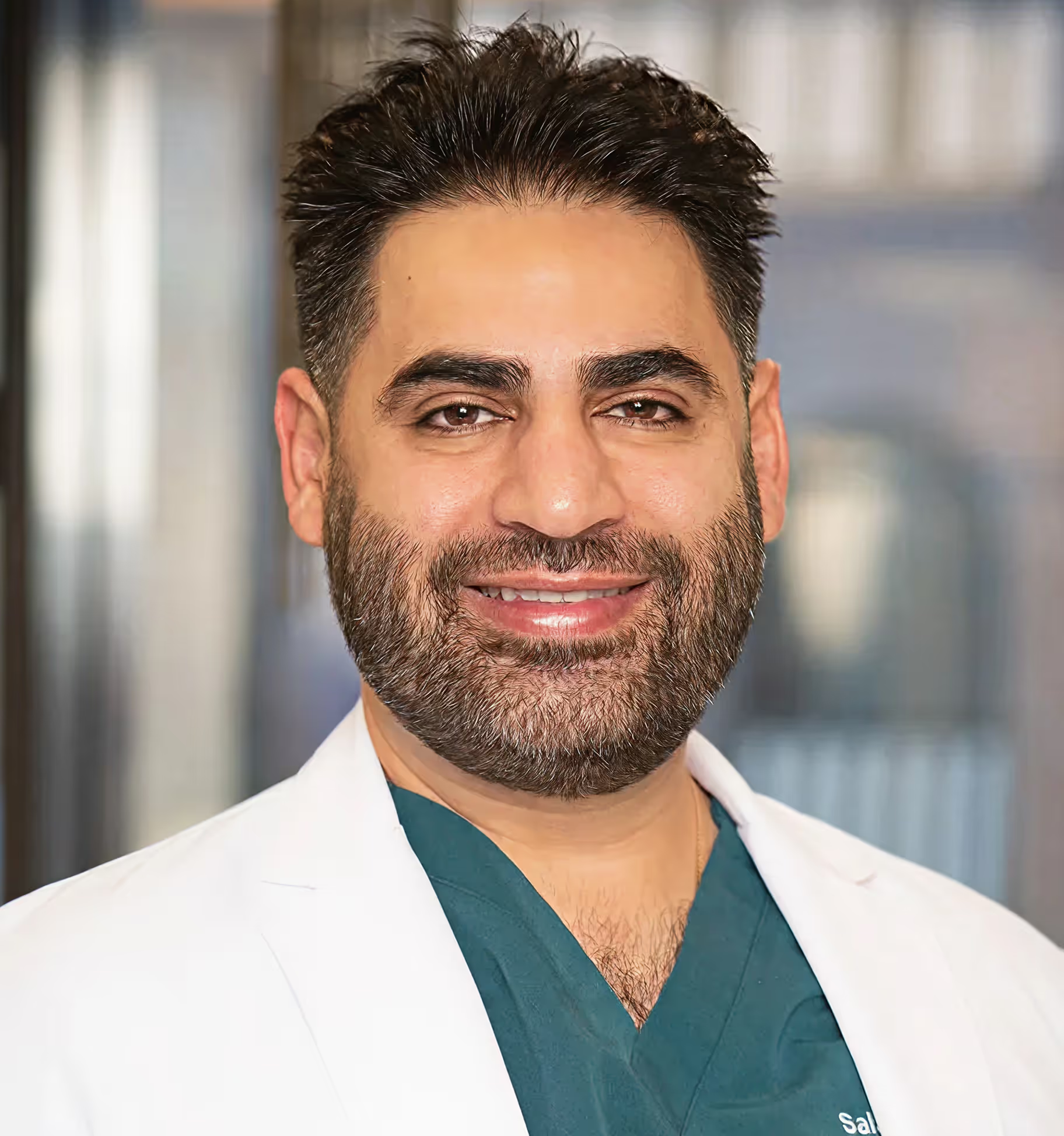
Dr. Salar Hazany is a board-certified dermatologist and fellowship-trained Mohs micrographic surgeon who is originally from Los Angeles, California. Through years of intense education and training, he has honed his practice of the latest and most cutting-edge medical and cosmetic dermatology methods to enhance and optimize his patients’ quality of life. Known as “Dr. Cancer Killer” on social media platforms, Dr. Hazany shares his ability to treat serious forms of skin cancer, in addition to treating both commonplace and esoteric skin conditions.
Frequently Asked Questions
Advanced anti-aging dermatology treatments addressing wrinkles, volume loss, and skin aging for rejuvenated appearance.
What are the primary signs of facial aging?
Facial aging manifests through multiple changes in skin and facial structure. Fine lines and wrinkles appear from loss of skin elasticity and repeated facial expressions. Deep folds form as skin sags and underlying support is lost. Volume loss occurs as fat and collagen diminish with age. Age spots and hyperpigmentation develop from sun damage accumulating over decades. Skin texture becomes rough and dull as skin cell turnover slows. Blood vessels become more prominent as skin thins. Skin loses radiance and appears tired. Dark circles under eyes develop from thinning skin and volume loss. Jawline definition softens as skin sags and fat shifts downward. Understanding these changes helps guide appropriate treatment selection. Dr. Hazany addresses these multiple aging signs through customized treatment combinations. Multiple signs often benefit from combination approaches rather than single treatments.
How do injectables address facial aging?
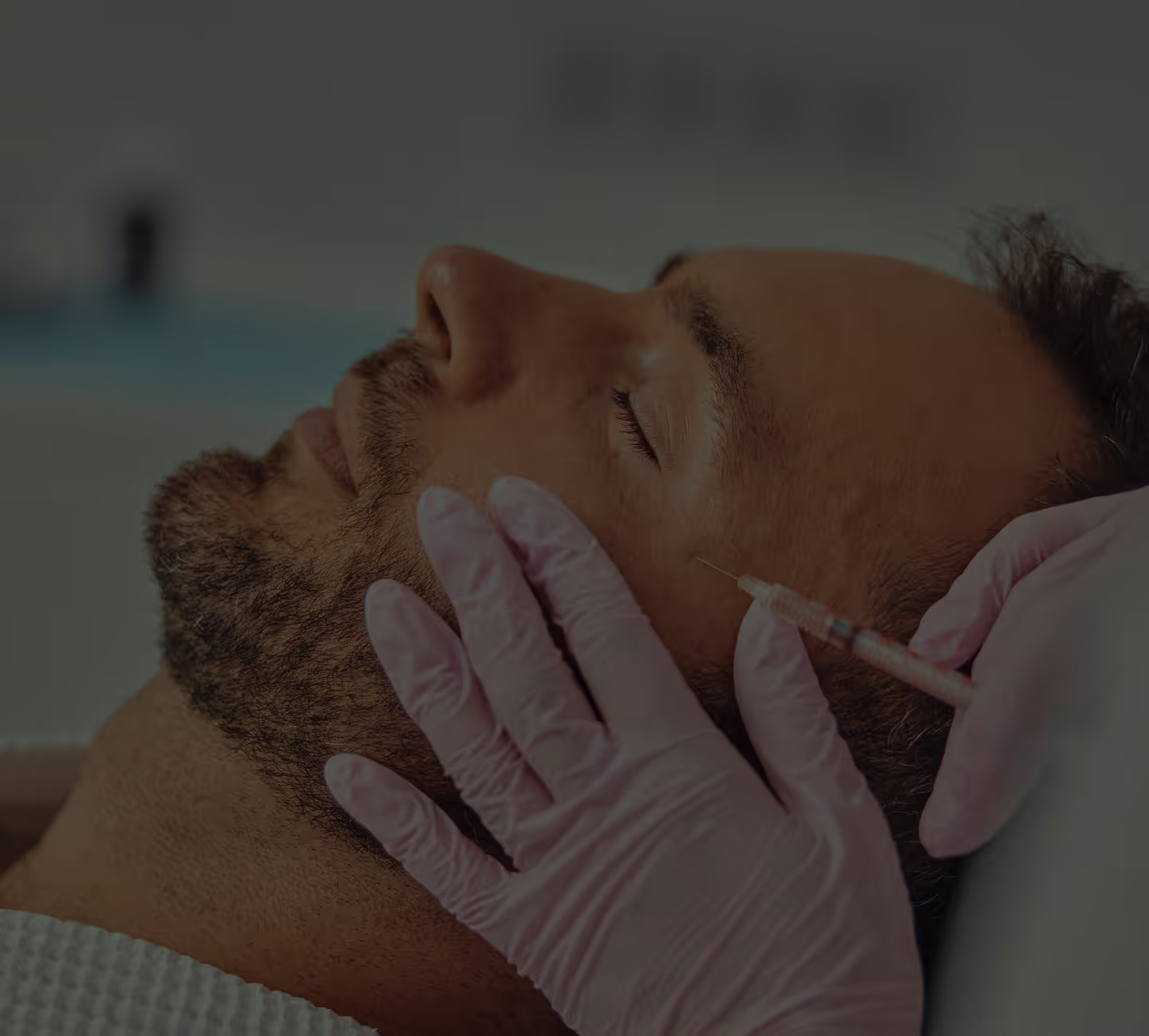
Injectable treatments work through different mechanisms to address aging. Botulinum toxin (Botox) relaxes muscles causing dynamic wrinkles, preventing lines from deepening. Results appear gradually over a week and reach full effect in 2 weeks. Effects last 3-4 months, requiring periodic touch-ups. Dermal fillers restore volume lost with aging by plumping skin and supporting structure. Fillers can address marionette lines, nasolabial folds, cheeks, lips, and under-eye hollows. Results are immediate with hyaluronic acid fillers. Different fillers last varying lengths, from months to over a year. Combination of Botox and fillers addresses both dynamic wrinkles and volume loss. The experts at Hazany Derm customize injectable combinations for individual aging patterns. Strategic injection placement emphasizes natural features rather than obvious treatment.
Can non-surgical treatments achieve significant anti-aging results?
Yes, non-surgical treatments can produce dramatic anti-aging results that approach or match surgical procedures for many patients. Laser treatments stimulate collagen, improving texture, tone, and fine wrinkles. Radiofrequency and ultrasound therapies tighten skin without surgery. Chemical peels resurface skin and improve tone. Microneedling triggers collagen remodeling for improved texture. Injectables address volume loss and wrinkles. Combination approaches using multiple modalities often produce superior results. Non-surgical treatments have advantages: no scars, minimal downtime, lower cost than surgery. Results develop gradually, appearing natural. Multiple sessions may be needed but lack the recovery demands of surgery. However, some extensive sagging or severe aging may benefit from surgical procedures. Dr. Hazany discusses which patients are best served by non-surgical versus surgical approaches. Most patients can achieve satisfactory rejuvenation without surgery.
When should someone consider surgical anti-aging procedures?
Surgical procedures are considered when non-surgical treatments don't adequately address aging concerns. Significant facial sagging, particularly of jowls and neck, often benefits from surgical lifting. Extensive upper eyelid droop affecting vision may warrant blepharoplasty. Significant lower eyelid bags causing appearance issues benefit from surgical removal. Mini-facelifts address moderate sagging in younger patients avoiding full facelift risks. Brow lifts address low brows and significant forehead wrinkles. Neck lifts address significant neck skin laxity. Surgical procedures produce more dramatic results than non-surgical but carry risks and longer recovery. Candidates should be in good health, have realistic expectations, and commit to recovery. Many patients combine surgical procedures with non-surgical treatments. Dr. Hazany carefully evaluates who benefits from surgical versus non-surgical approaches. The goal is maximizing results while minimizing risks and downtime.
How much do anti-aging treatments cost and what factors affect pricing?
Anti-aging treatment costs vary widely based on procedure type, extent, and provider expertise. Injectable treatments (Botox, fillers) range from hundreds to thousands per treatment session. Laser and light treatments typically cost hundreds to thousands per session. Chemical peels vary from $150-1000+ depending on depth. Surgical procedures cost thousands to tens of thousands. Cost factors include treatment extent, practitioner expertise, facility costs, and geographic location. Combination approaches cost more than single treatments. Multiple sessions cost more than single treatments. Beverly Hills and Los Angeles area pricing generally exceeds less-developed areas. Board-certified providers typically charge more than less-qualified practitioners. Most practices offer financing options spreading costs over time. Insurance typically doesn't cover cosmetic procedures. At Hazany Derm, Dr. Hazany's reputation and expertise may command higher fees reflecting superior results. Choosing based on expertise rather than lowest cost typically produces better outcomes.
What is a reasonable timeline for seeing anti-aging results?
Timeline for anti-aging results varies by treatment type. Botox shows subtle improvement in a week, full results in 2 weeks. Fillers show immediate results that improve over 2 weeks as they fully integrate. Laser treatments show gradual improvement over weeks, with continued improvement for months. Chemical peels show peeling and improvement within a week. Microneedling shows gradual improvement developing over weeks to months. Radiofrequency and ultrasound show gradual tightening over 2-3 months. Most patients need multiple sessions spaced weeks to months apart. Final results often appear 3-6 months after beginning treatment as full collagen remodeling occurs. Understanding this timeline helps patients have appropriate expectations. Dr. Hazany explains expected timelines for each treatment during consultation. Patience during the remodeling period is necessary for optimal results.
How often do anti-aging treatments need to be repeated?
Maintenance frequency depends on treatment type and individual metabolism. Botox typically lasts 3-4 months, requiring touch-up treatments roughly quarterly. Hyaluronic acid fillers last 6-12 months depending on product and location. Semi-permanent fillers last 1-2 years. Permanent fillers provide permanent results but carry complication risks. Laser and chemical peel results persist but may benefit from periodic maintenance treatments. Radiofrequency and ultrasound results gradually diminish; maintenance treatments extend results. Microneedling results persist but patients may choose periodic treatments for continued improvement. Injectables require ongoing maintenance to preserve results. Proper skin care extends all treatment results. Sun protection delays the need for repeat treatments. Dr. Hazany discusses maintenance schedules during consultation. Most patients develop a routine maintenance schedule optimizing results over time.