





Expert Acne Keloidalis Nuchae Treatment in Beverly Hills and Los Angeles
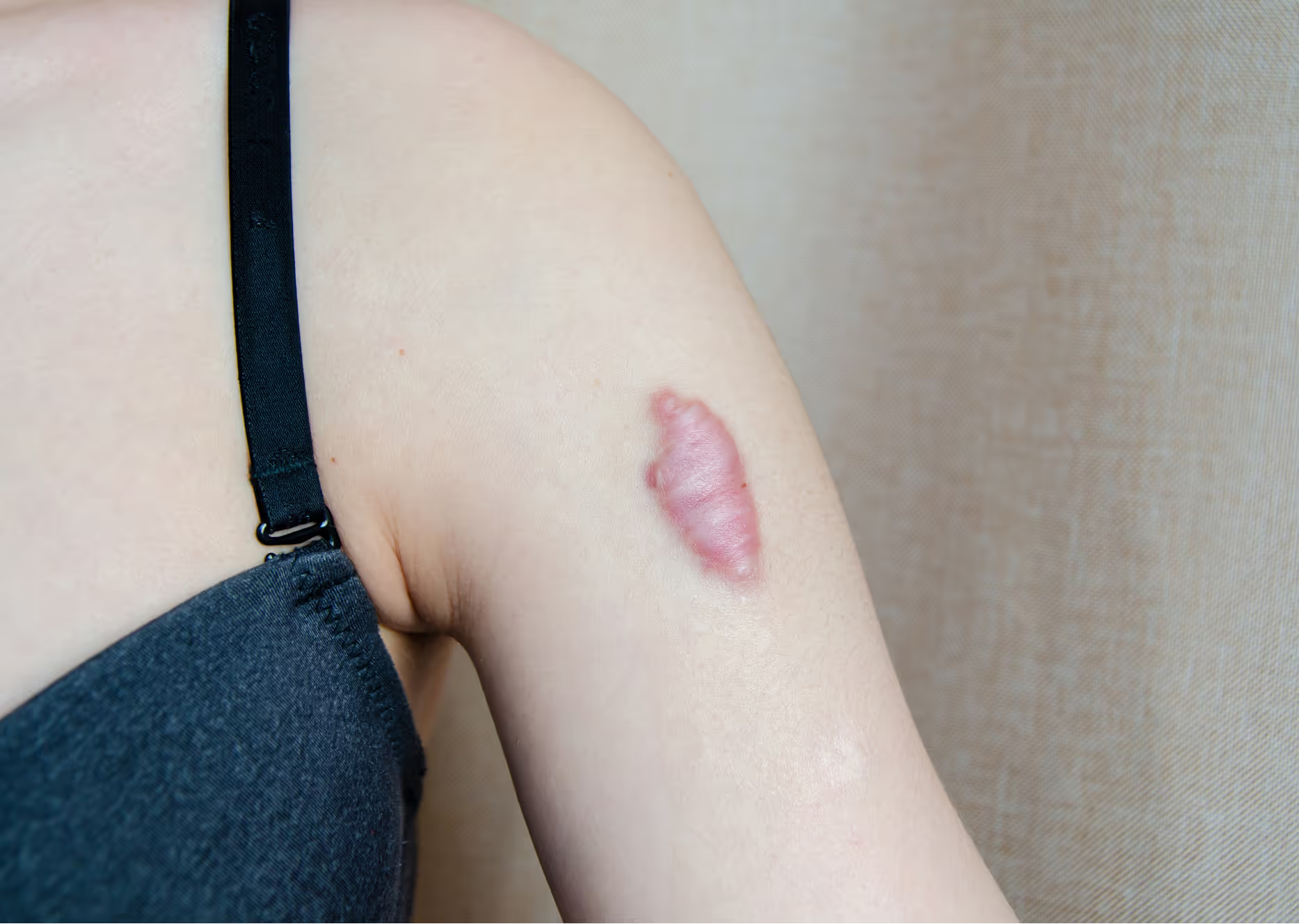
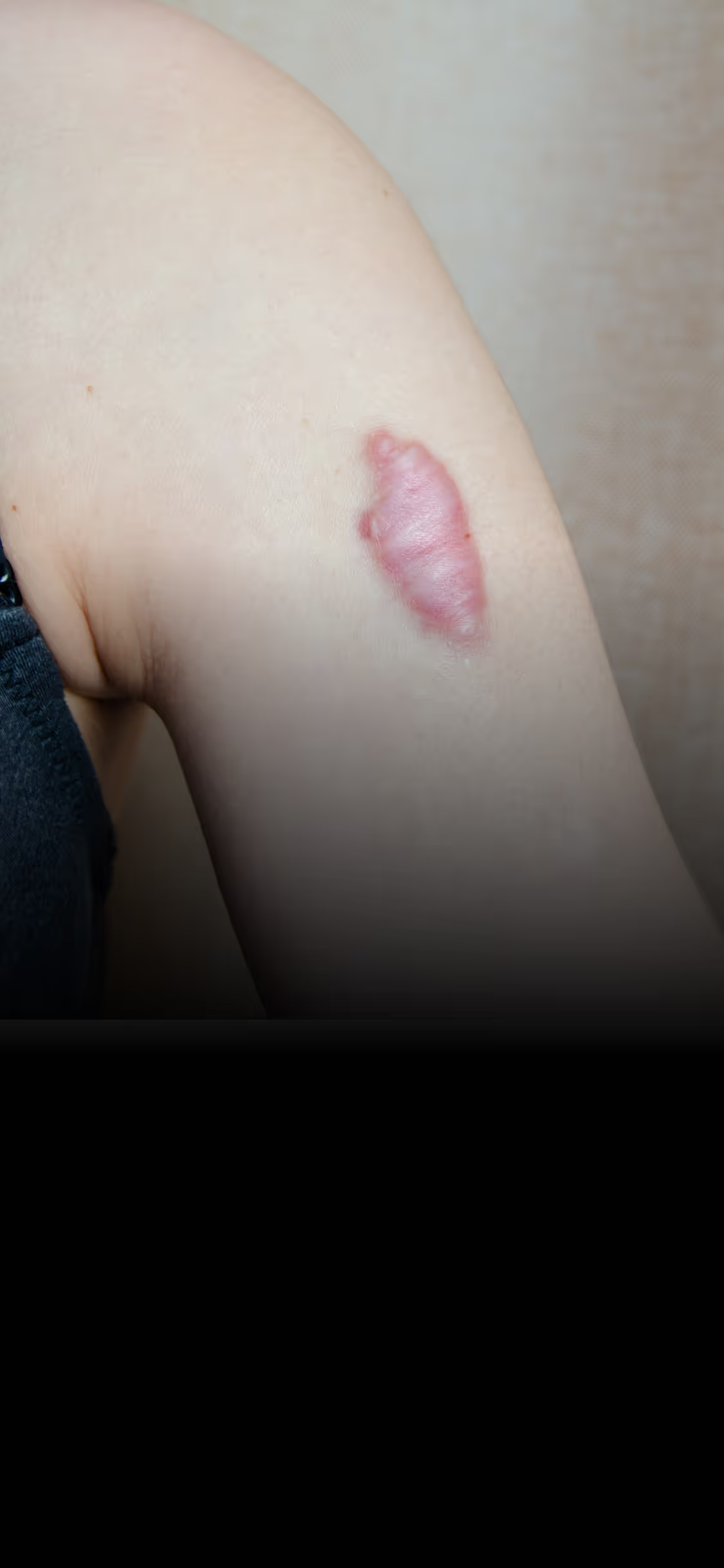
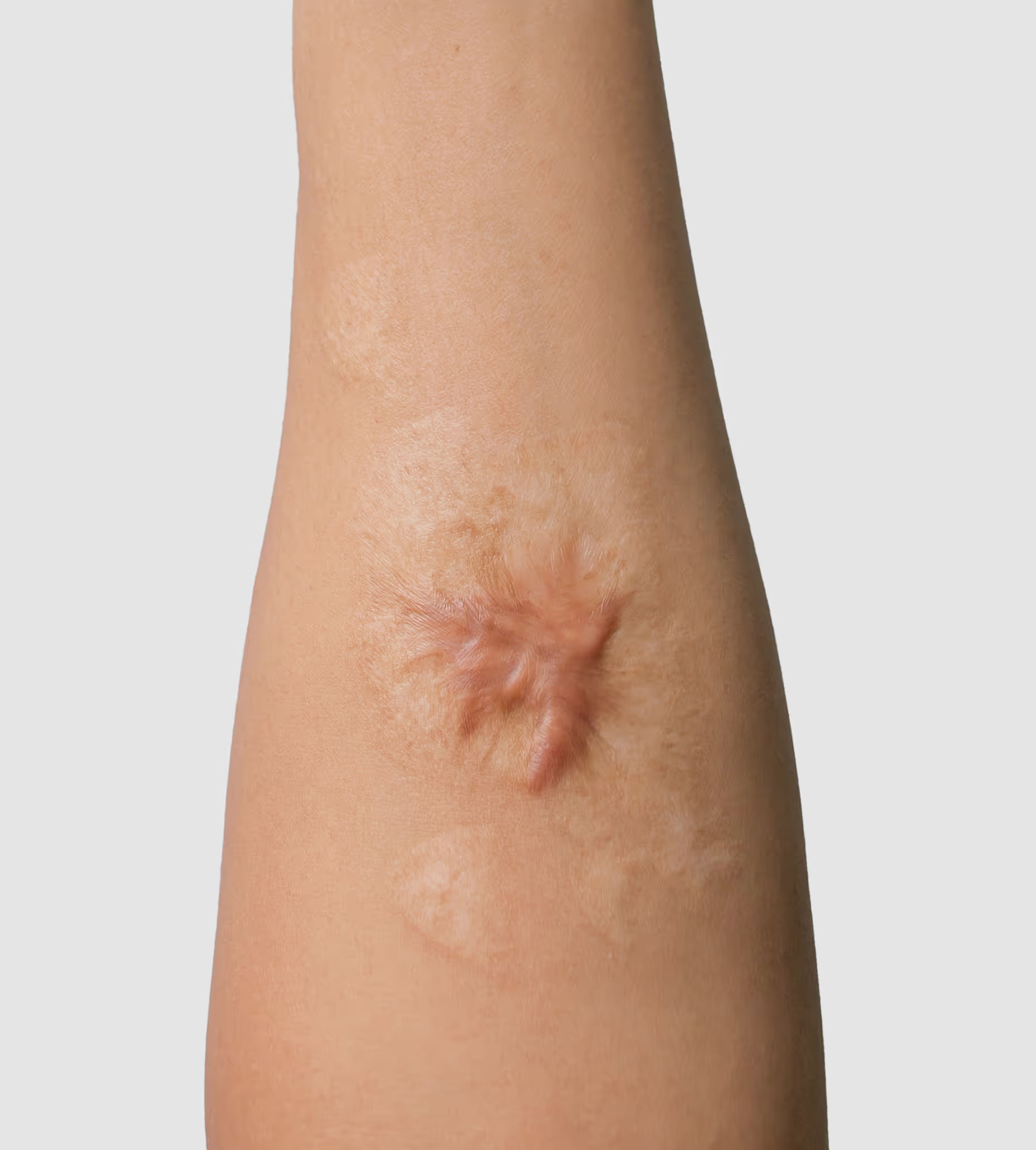
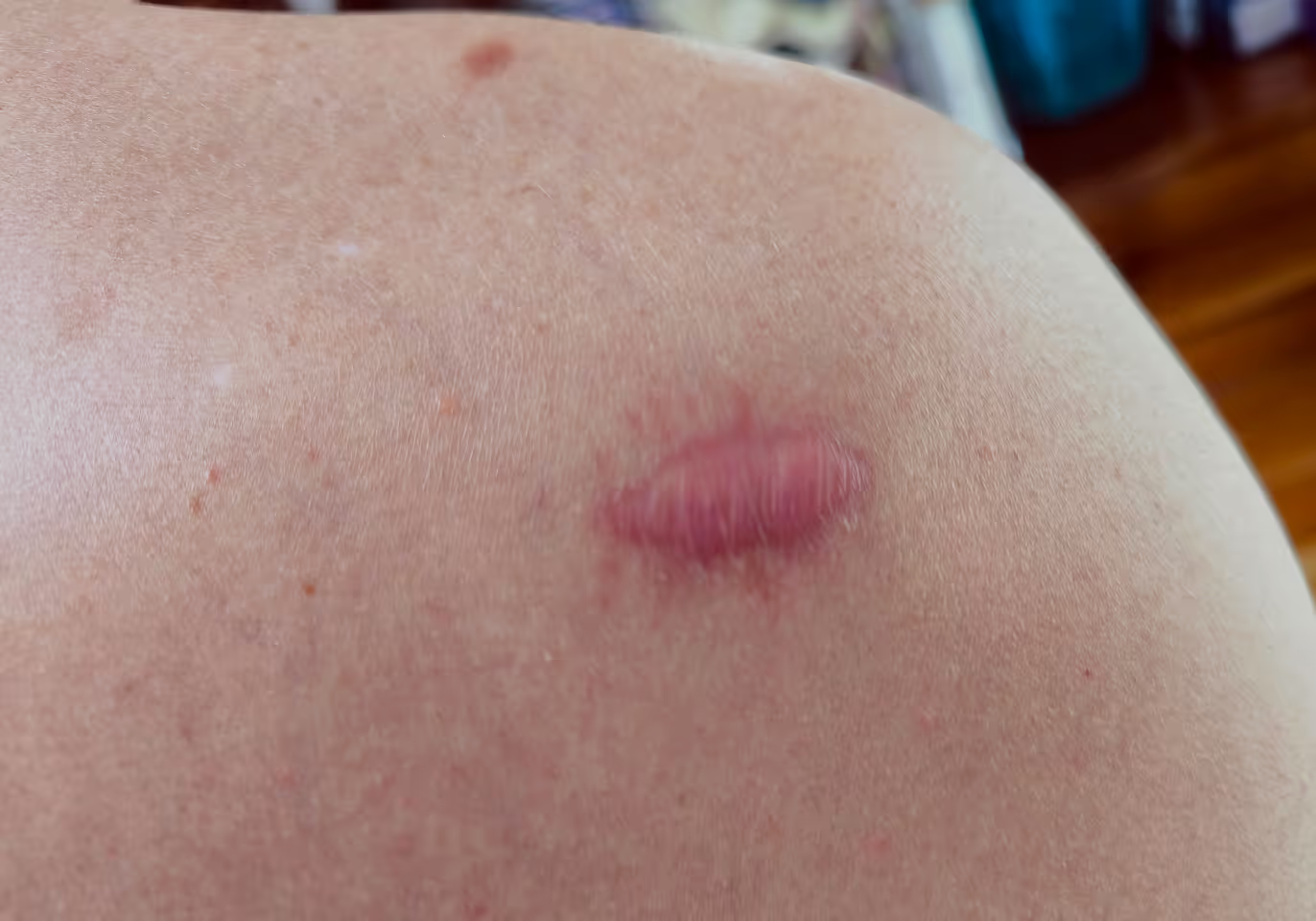
Acne Keloidalis Nuchae (AKN) is a skin condition that primarily affects the back of the neck and sometimes the scalp. It's characterized by the development of bumps, nodules, or pustules that can become inflamed and may eventually lead to the formation of scars, sometimes in the form of keloids (thick, raised, and often darkened scars).

-1920w%202.avif)
What Causes Acne Keloidalis Nuchae?
Follicle Irritation
Shaving, ingrown hairs, and friction from tight clothing can inflame hair follicles, triggering AKN.
Curly or Coarse Hair
Shaving, ingrown hairs, and friction from tight clothing can inflame hair follicles, triggering AKN.
Can Lead to Keloid-Like Scarring
Shaving, ingrown hairs, and friction from tight clothing can inflame hair follicles, triggering AKN.
How is Acne Keloidalis Nuchae Treated?
Reduce Inflammation &
Control Symptoms
Topical medications like steroids or retinoids help calm bumps and prevent new ones from forming, while oral antibiotics may be used if infection is present.
Address Scarring
When Needed
Topical medications like steroids or retinoids help calm bumps and prevent new ones from forming, while oral antibiotics may be used if infection is present.
Adopt Preventive Care & Ongoing Management
Topical medications like steroids or retinoids help calm bumps and prevent new ones from forming, while oral antibiotics may be used if infection is present.

Frequently Asked Questions
Acne keloidalis nuchae treatment addresses keloid scarring and inflammation of the back of the neck and hairline.
What is acne keloidalis nuchae (AKN) and who is affected?
Acne keloidalis nuchae is a chronic inflammatory condition affecting the nape of the neck and lower scalp. The condition predominantly affects men of African descent and other men with curly hair. AKN manifests as small bumps, pustules, and progressive keloid scarring. The condition is more common than many realize but often underdiagnosed. Hair follicles become inflamed from friction or curly hair penetrating surrounding skin. Dr. Salar Hazany recognizes and treats AKN effectively. The team at Hazany Derm understands this condition's impact on appearance and confidence. Early treatment prevents progression to severe scarring.
What causes AKN and what are risk factors?
AKN results from chronic inflammation of hair follicles and surrounding tissue. Curly, coarse hair creates mechanical stress on follicles. Hair manipulation like very close shaving or pulling exacerbates the condition. Some individuals have genetic predisposition to severe follicular inflammation. Friction from collars and clothing can trigger flare-ups. The condition is more severe in men of African descent. Dr. Hazany evaluates contributing factors for each patient. Understanding causes guides treatment and prevention strategies. Addressing mechanical factors can reduce disease progression.
What are treatment options for AKN?
Treatment approaches are individualized based on severity. Early intervention with gentle hair care practices can prevent progression. Topical antibiotics reduce bacterial colonization and inflammation. Topical retinoids improve follicular health. Oral antibiotics are used for moderate cases. Steroid injections reduce inflammation and keloid progression. Surgical excision may be necessary for severe, treatment-resistant cases. Dr. Salar Hazany combines medical and procedural approaches. The team at Hazany Derm treats AKN comprehensively. Combination approaches often work better than single treatments.
How does hair management affect AKN?
Hair management is crucial for AKN control. Avoiding very close shaving prevents mechanical trauma to follicles. Growing hair slightly longer reduces follicular stress. Gentle grooming prevents irritation and inflammation. Avoiding tight hairstyles that pull on hair reduces tension. Keeping the nape area clean prevents secondary infection. Dr. Hazany provides detailed grooming recommendations. The team at Hazany Derm emphasizes preventive care. Proper hair management significantly impacts disease control and progression.
What is the prognosis for AKN with appropriate treatment?
AKN prognosis improves significantly with early, appropriate treatment. Early intervention can prevent severe scarring. Treatment can control inflammation and reduce symptoms. Many patients achieve substantial improvement with combination approaches. Some cases improve to the point of resolution. Advanced scarring may require surgical intervention for complete resolution. Maintenance treatment may be necessary long-term. Dr. Salar Hazany discusses realistic expectations during consultation. Most patients see improvement with expert management. Prognosis is better with early professional intervention than with self-treatment alone.
Can AKN recur after treatment?
AKN can recur if causative factors aren't addressed. Returning to mechanical trauma (very close shaving, tight hair) can trigger recurrence. The underlying follicular predisposition persists. However, patients who maintain appropriate grooming and receive ongoing care can achieve remission. Maintenance therapy may prevent recurrence. The team at Hazany Derm provides long-term management strategies. Dr. Hazany monitors patients to catch early recurrence. Education and prevention are as important as active treatment.
Why is early treatment of AKN important?
Early treatment prevents permanent scarring that's difficult to treat. Progressive scarring becomes more disfiguring over time. Keloid formation accelerates if not addressed early. Early inflammatory phase responds better to treatment than established scarring. Prevention of progression is easier than treating advanced disease. Dr. Hazany recommends prompt evaluation of AKN symptoms. Consultation at first signs of the condition prevents serious complications. The team at Hazany Derm emphasizes the importance of early professional evaluation.