





Beverly Hills Pre-Medical Dermatology Fellowship
Looking for a unique pre-medical gap-year opportunity? Apply for the Beverly Hills Dermatology Pre-Medical Fellowship! This full-time, paid position lasts 2 to 3 years and is for college graduates or seniors. Applicants can start part-time and move to full-time after graduation.


Chief Pre-Medical Fellows
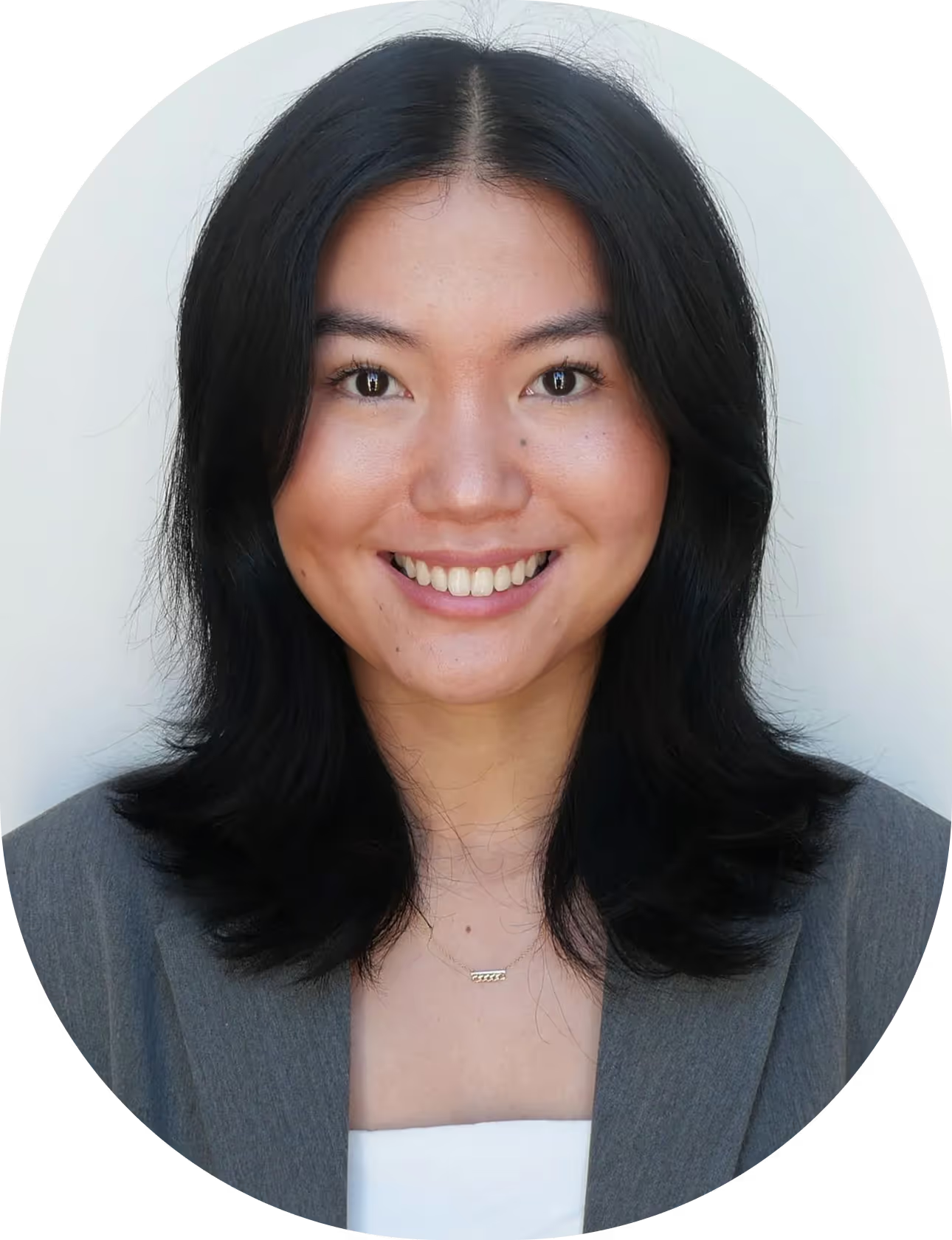
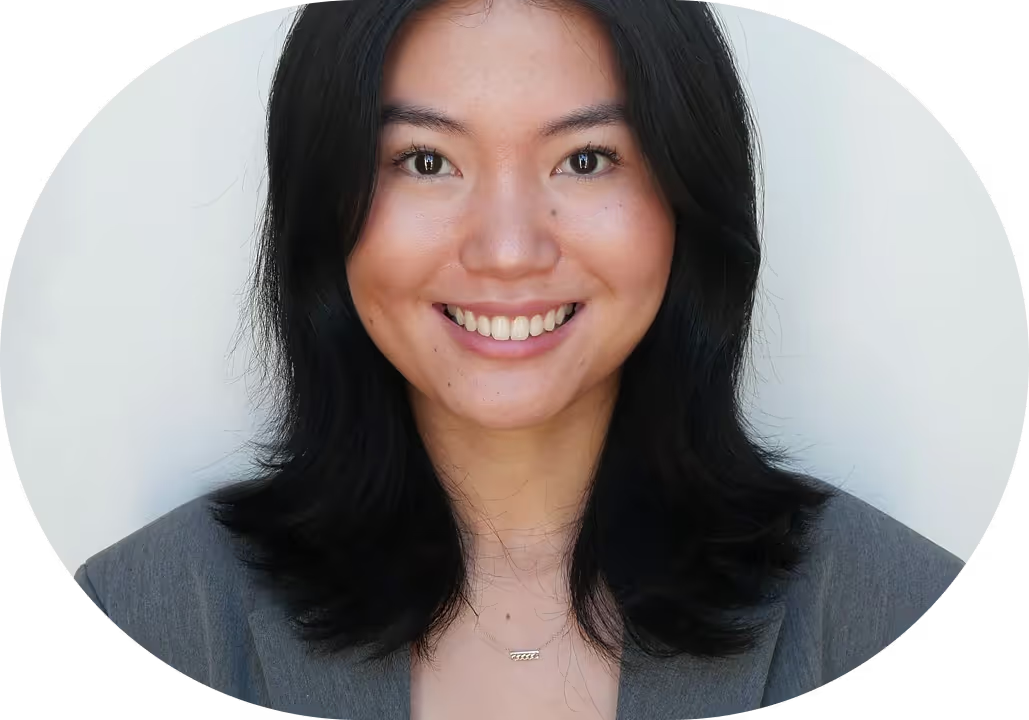
MELIS KASABA
Undergraduate Education
Medical School
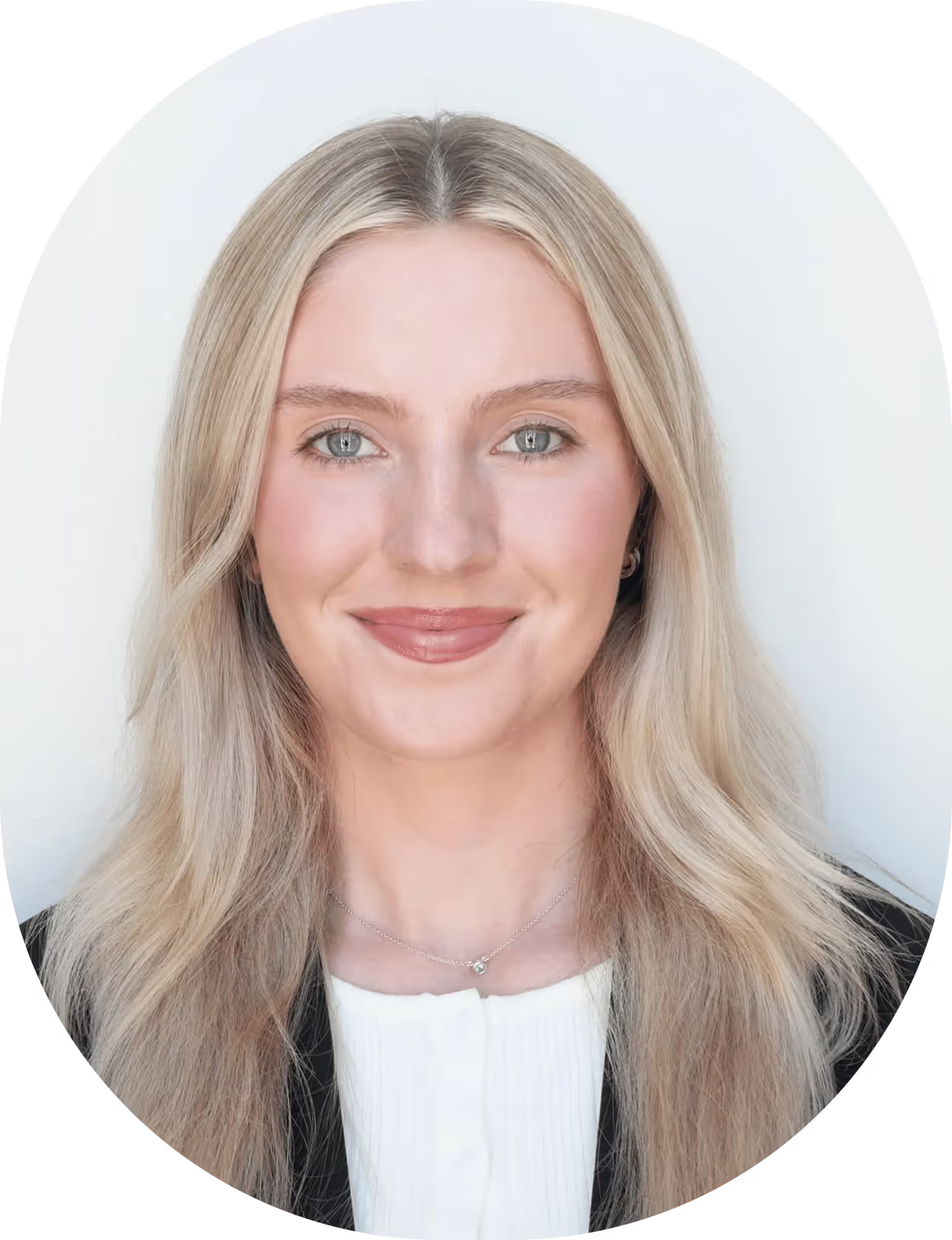
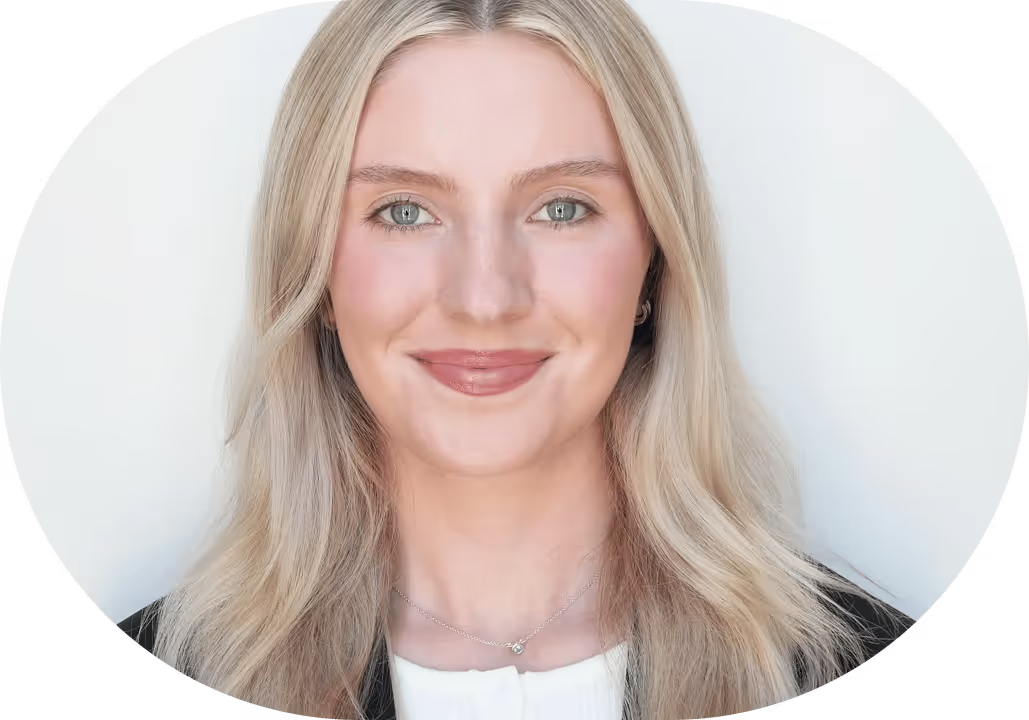
KALI MOCHEL
Undergraduate Education
Medical School
Previous Fellows
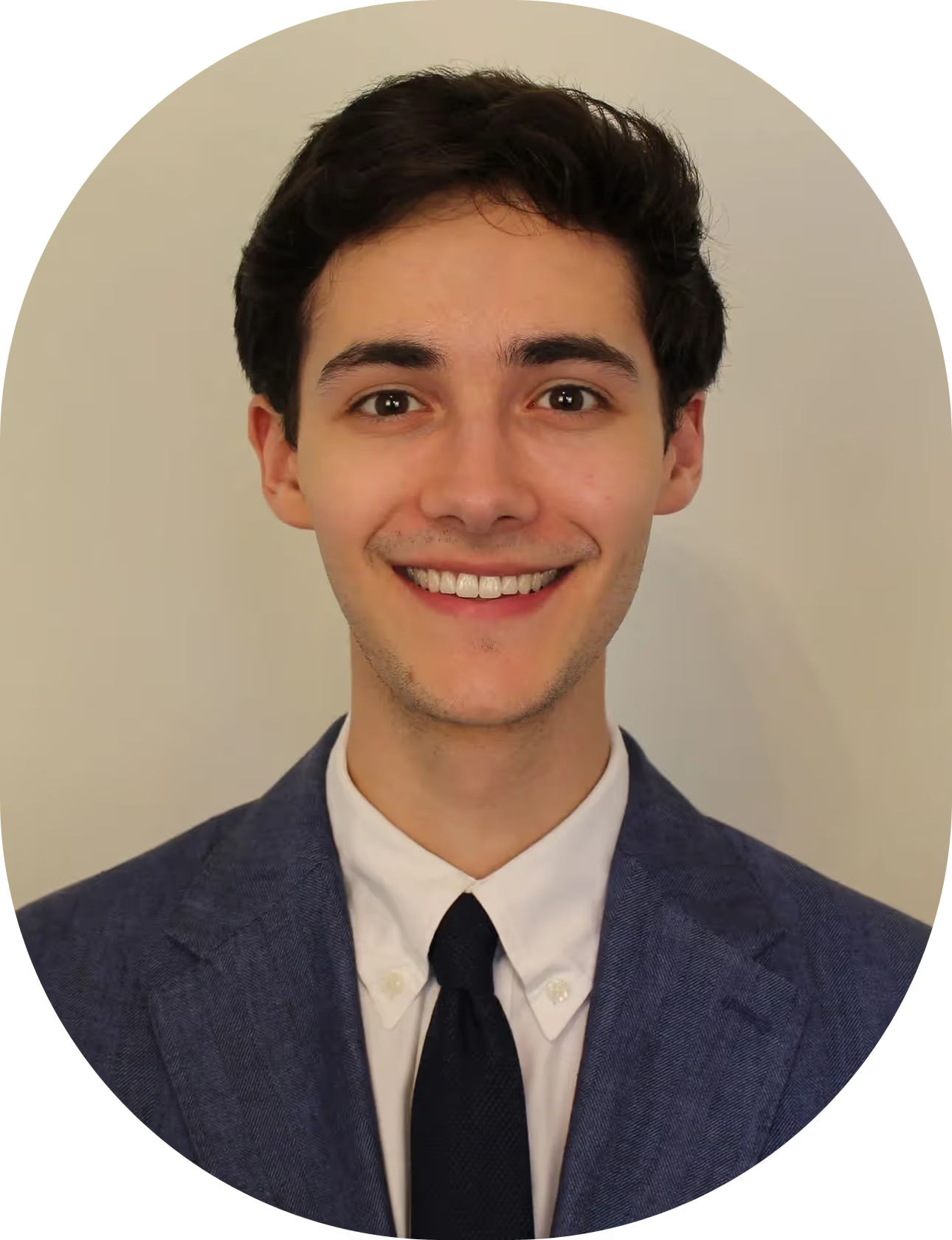
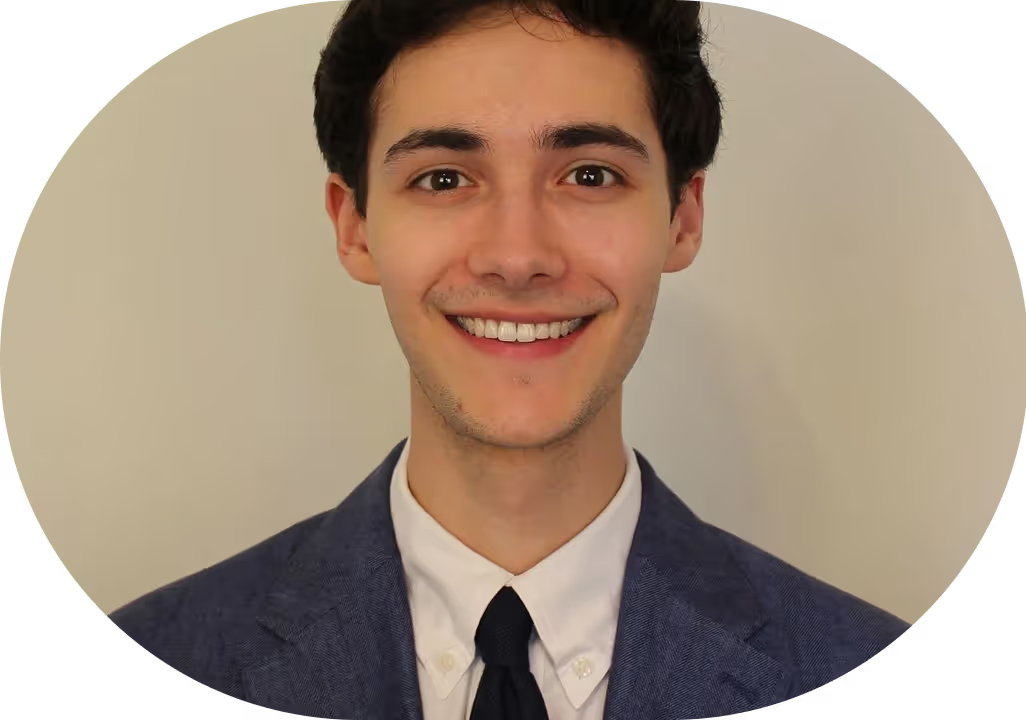
JOSHUA BRONTE
Undergraduate Education
(WashU) '22 (Universali Cum Honore)
Medical School
Brown University '29
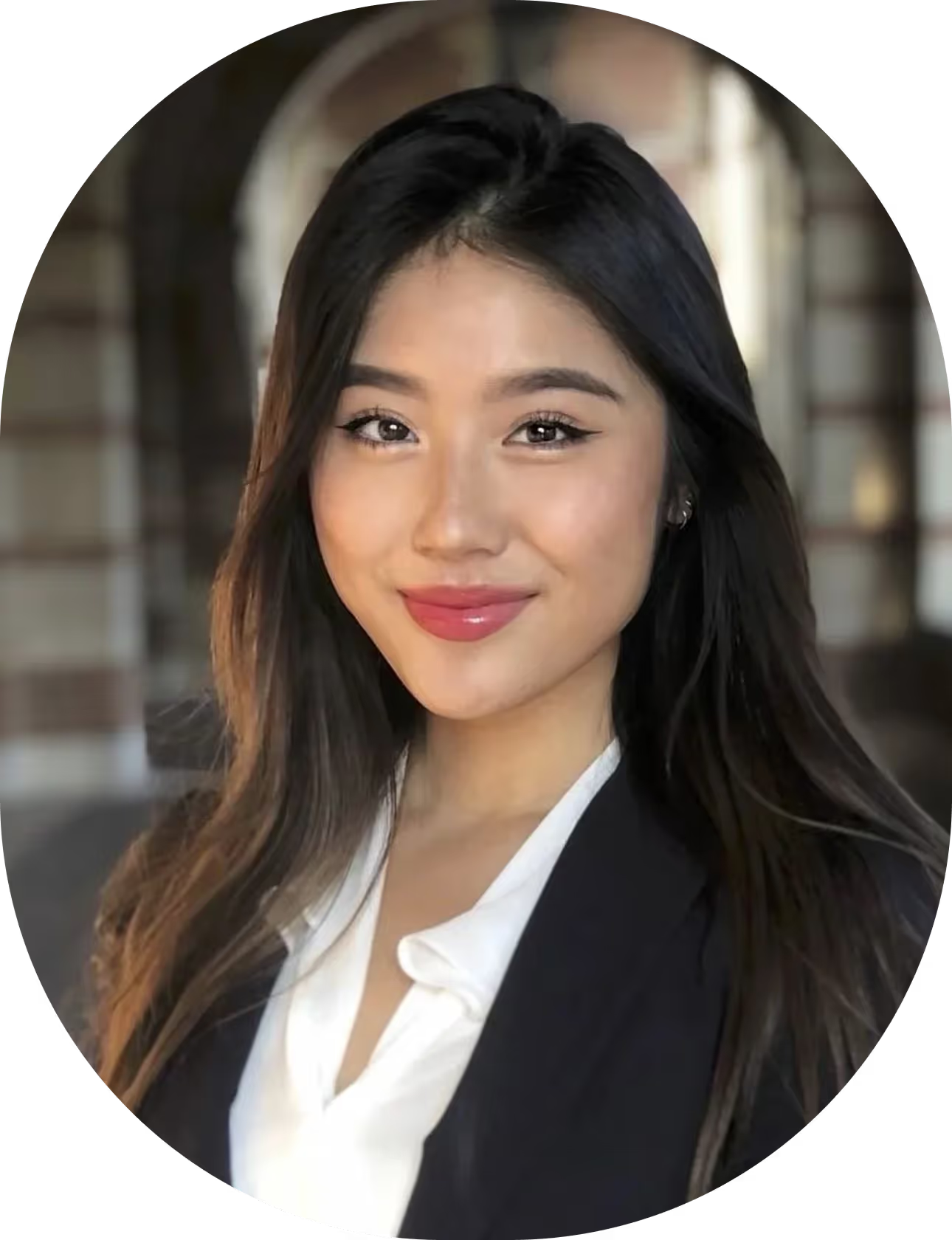

CRYSTAL ZHOU
Undergraduate Education
Medical School
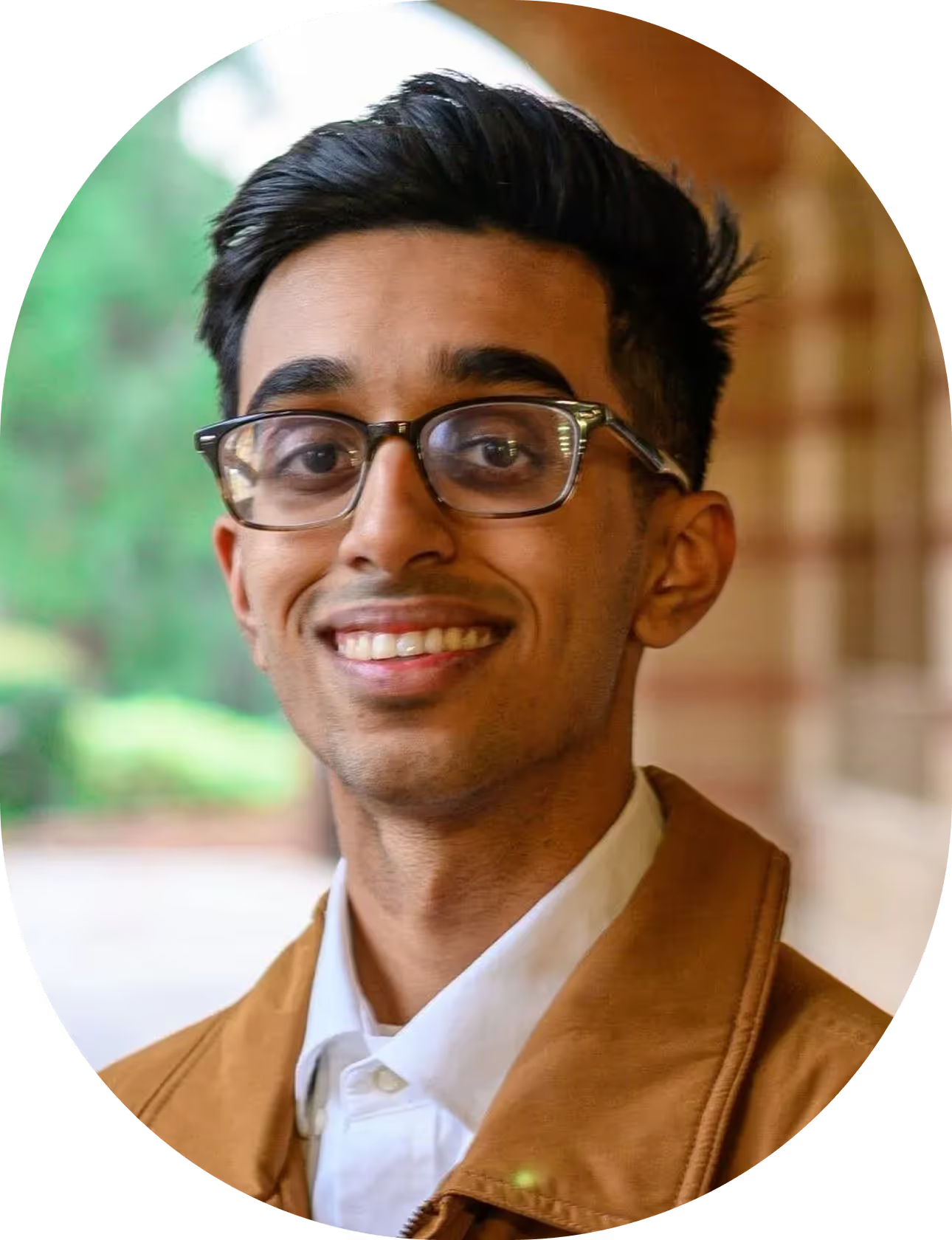
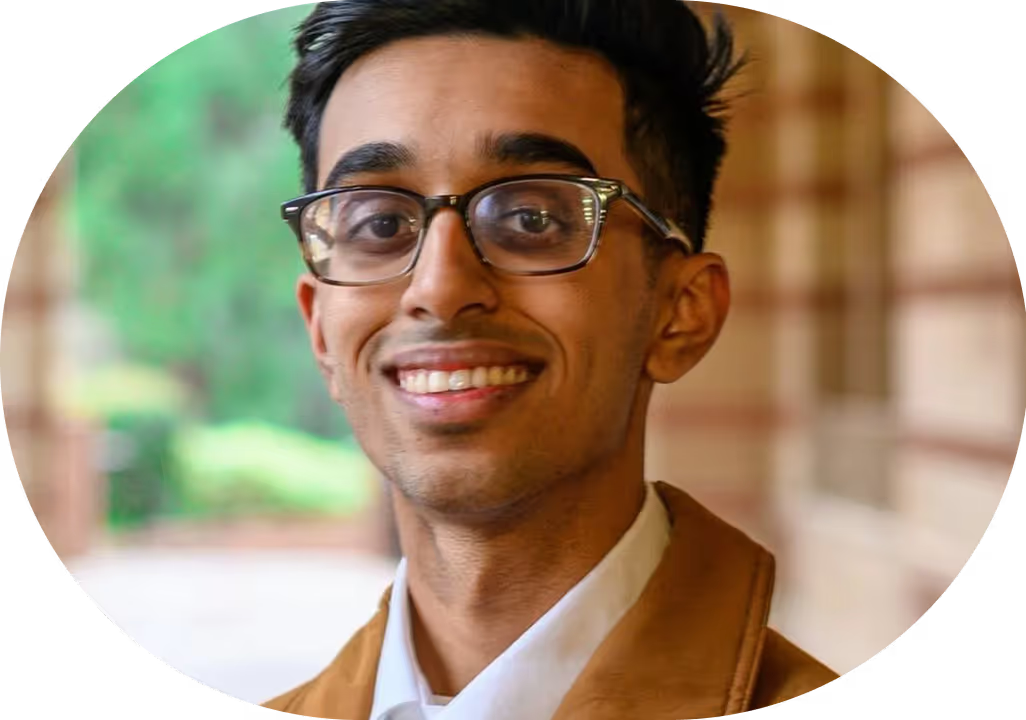
ABHINAV VEMPATI
Undergraduate Education
Medical School
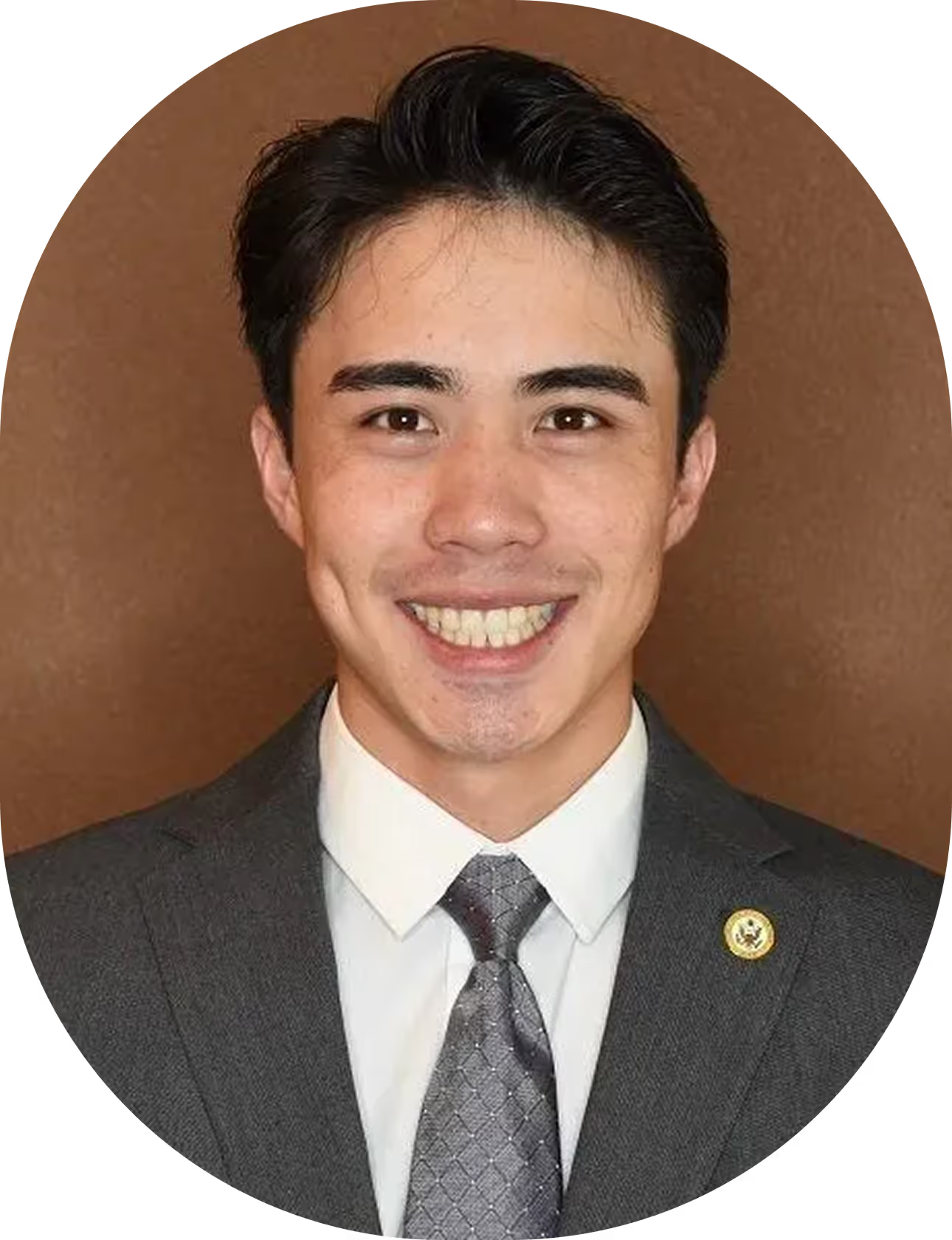
CURTIS TAM
Undergraduate Education
Medical School
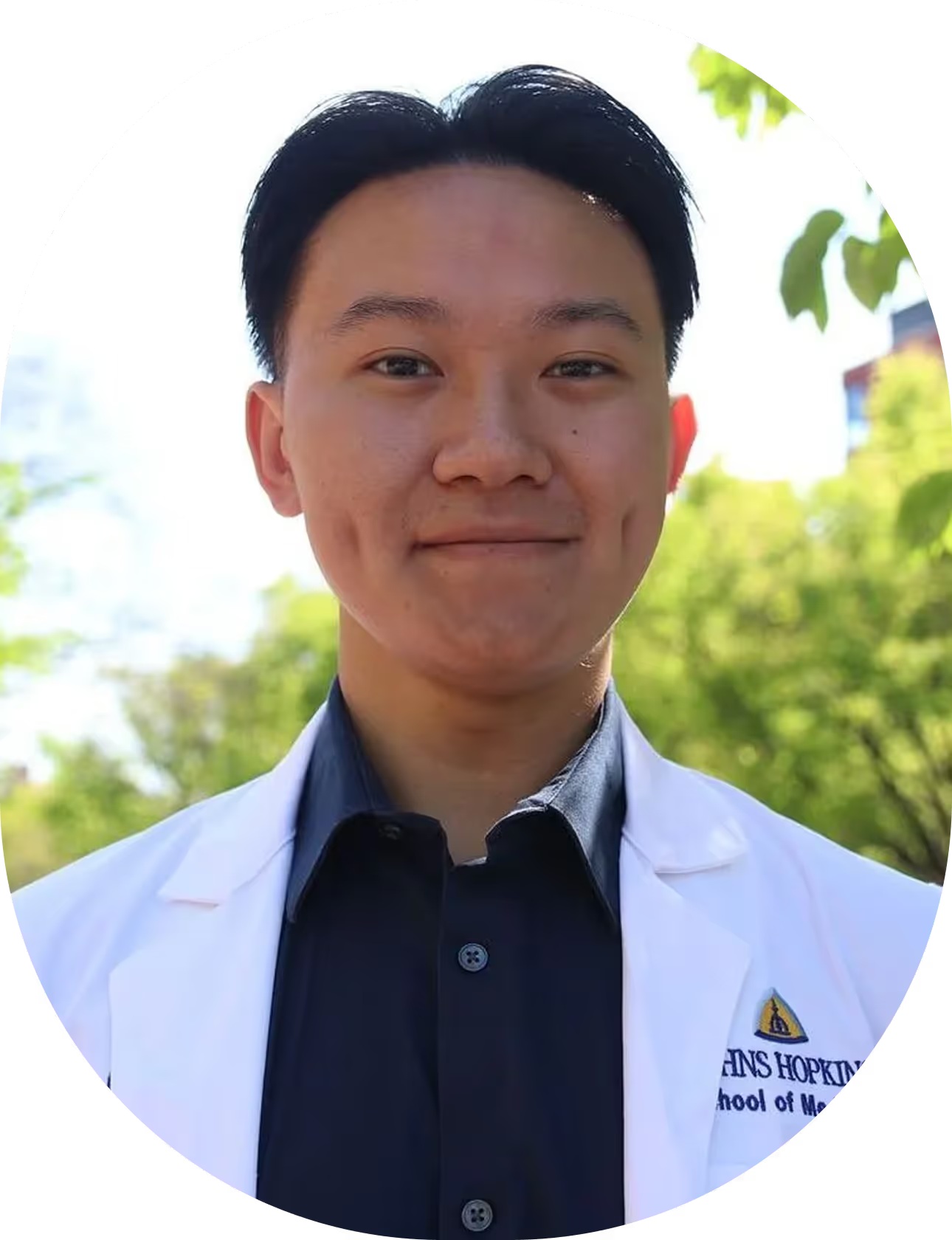
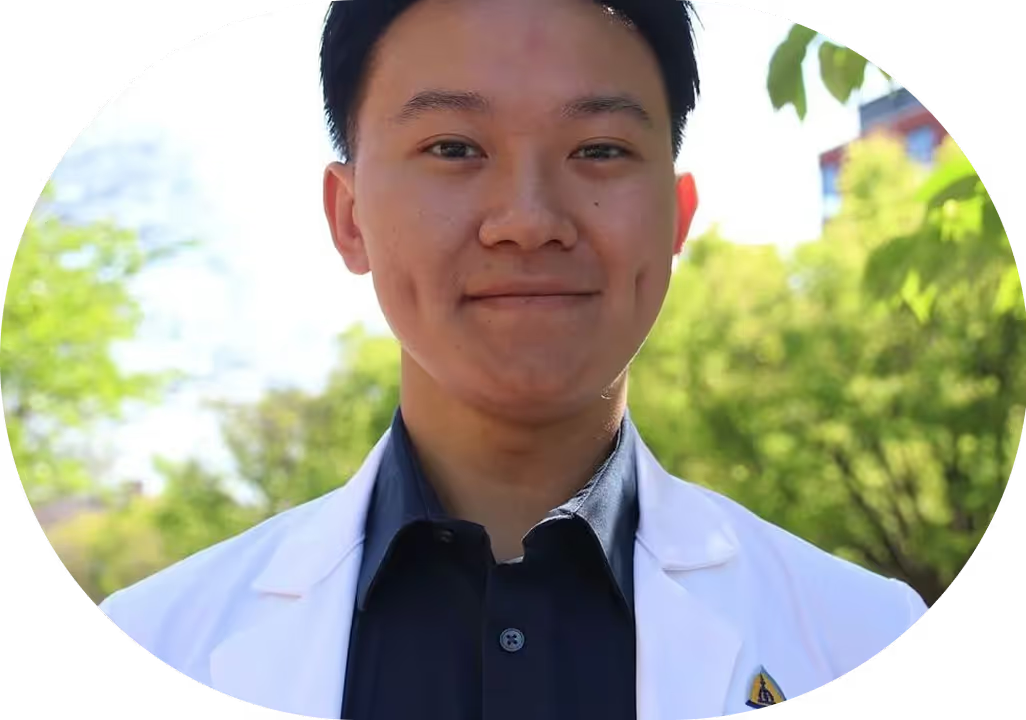
JEFFREY KHONG
Undergraduate Education
Medical School
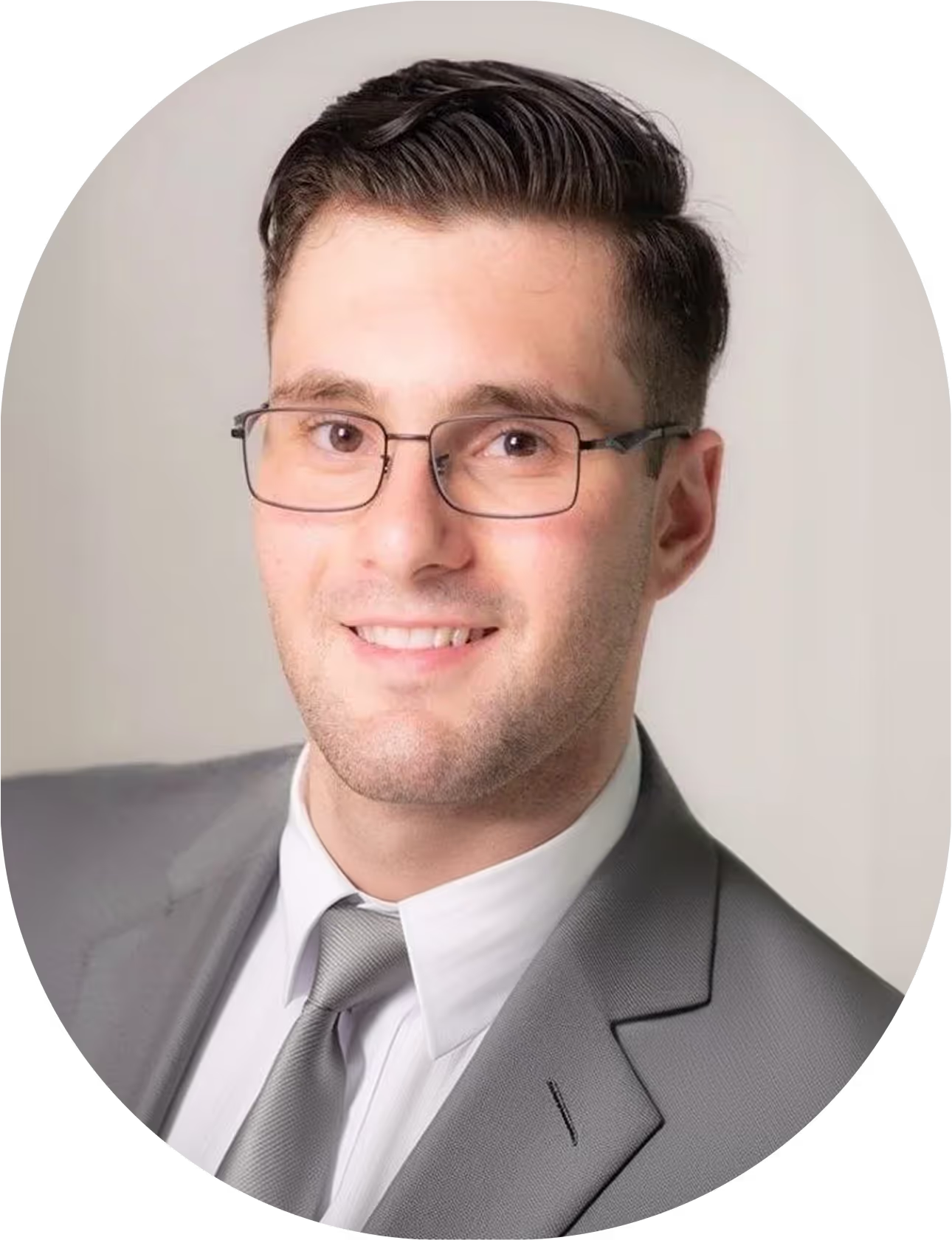
AARON RUBANOWITZ
Undergraduate Education
Medical School
Previous Volunteers
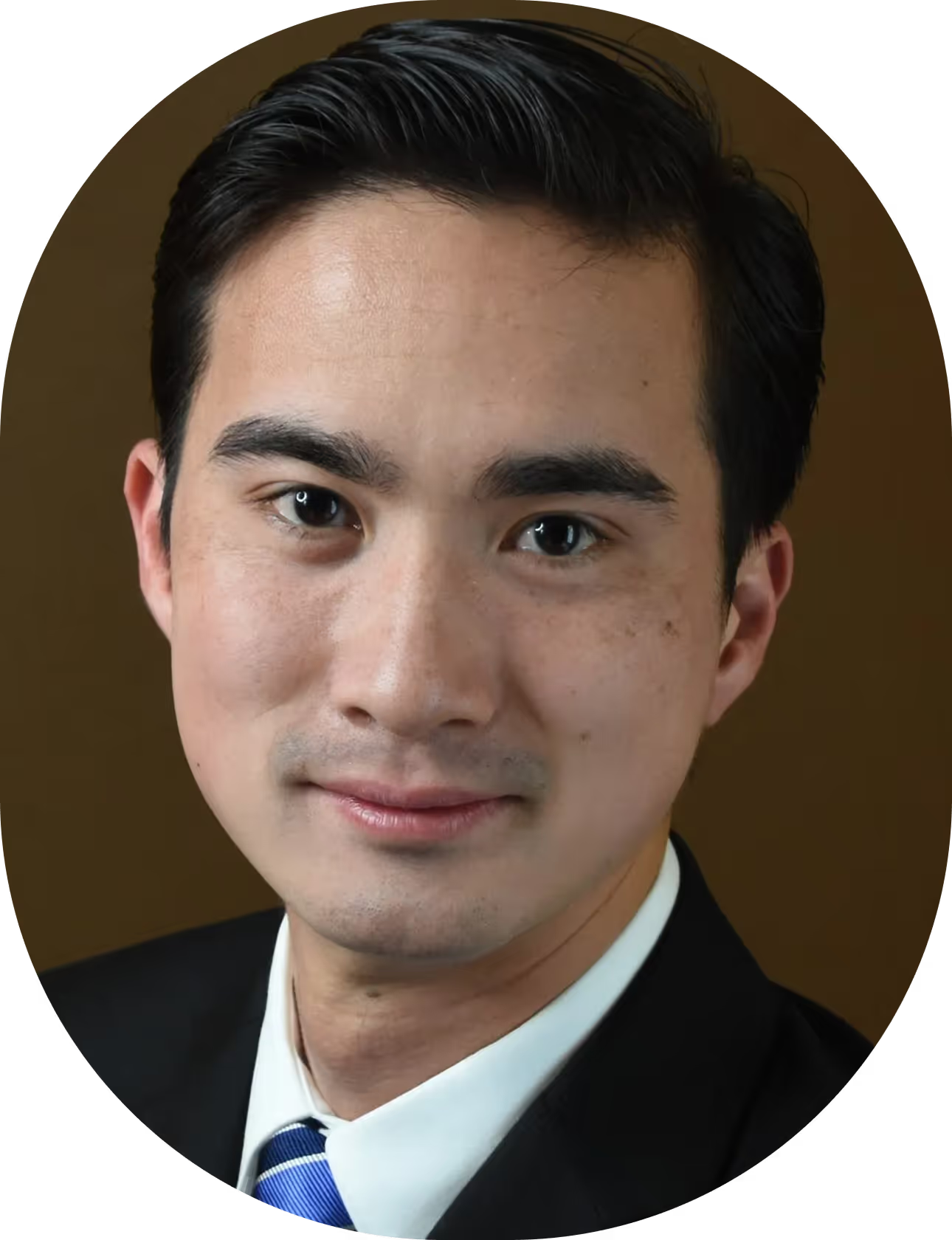
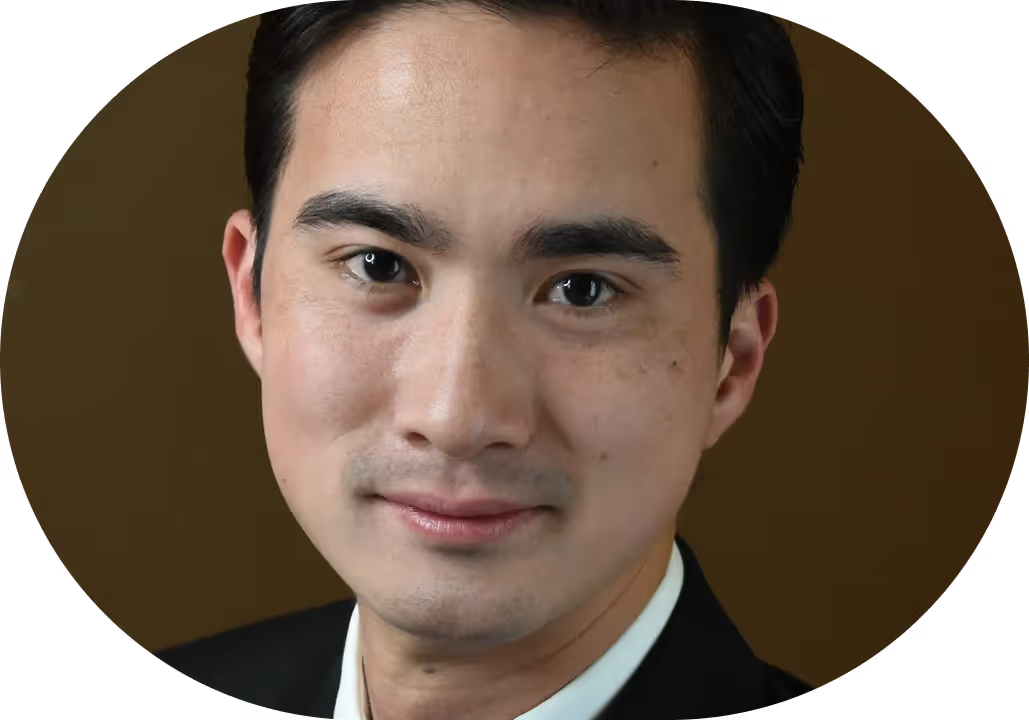
KEVIN TAM
Undergraduate Education
Medical School
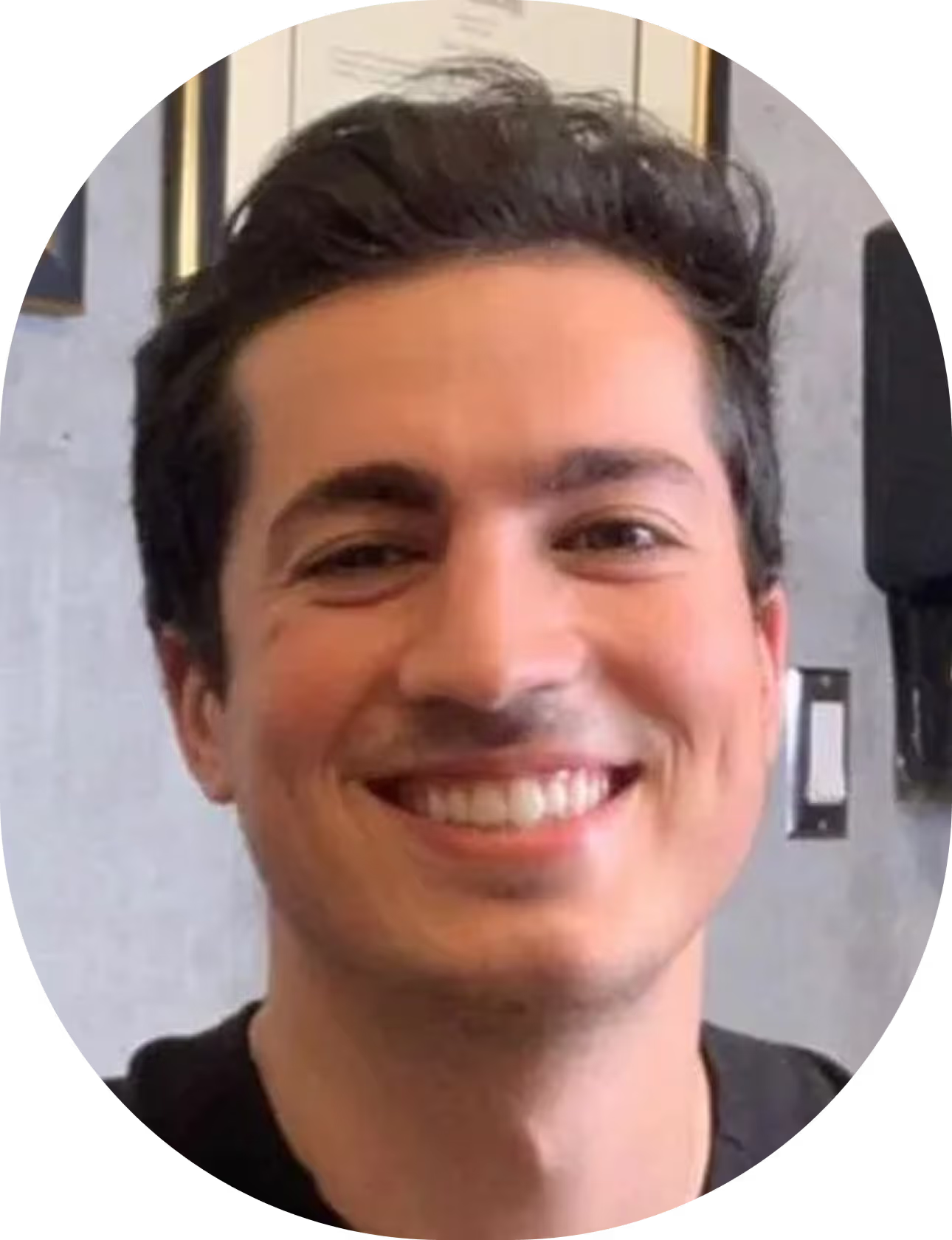
LEON KAMEN
Undergraduate Education
Medical School
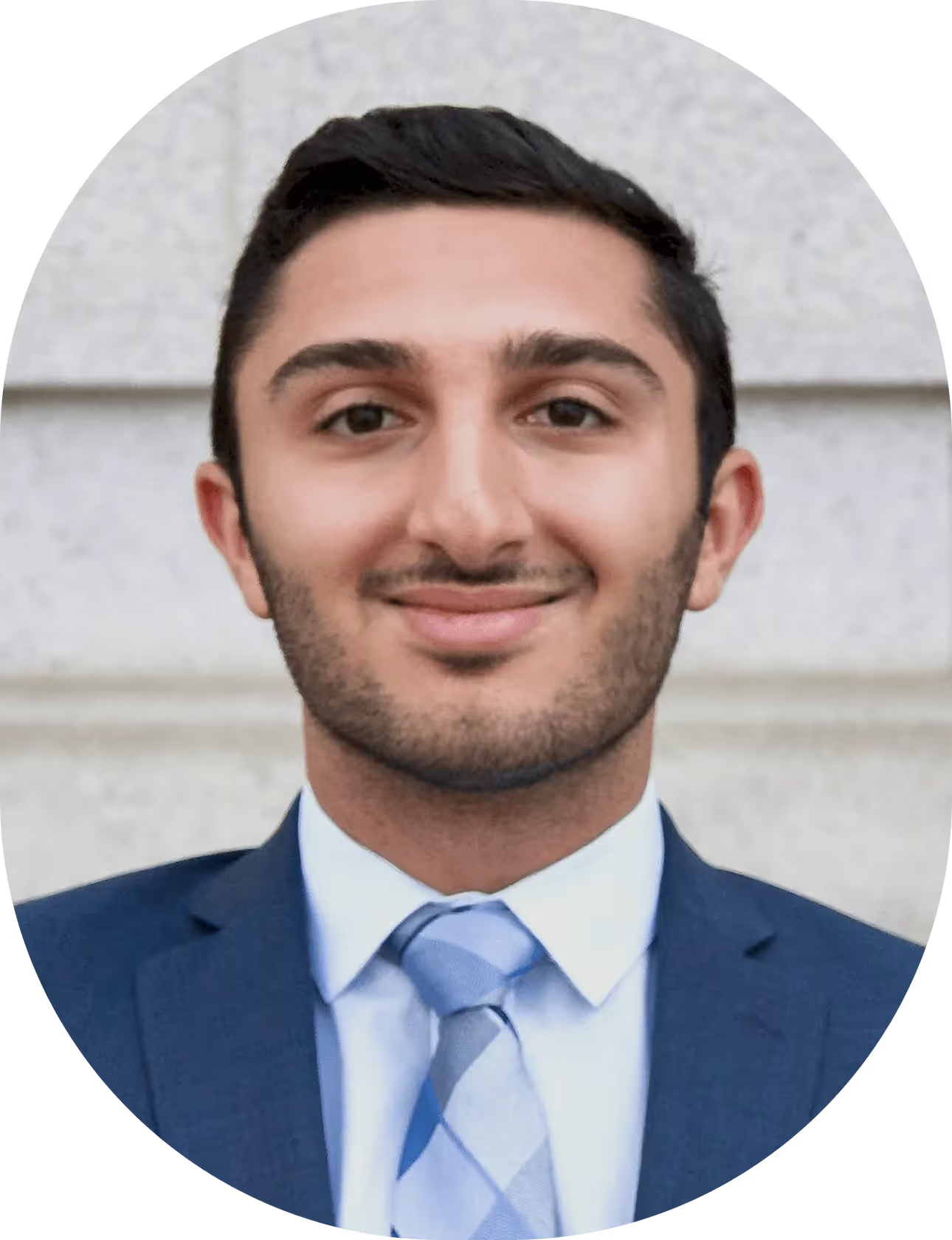
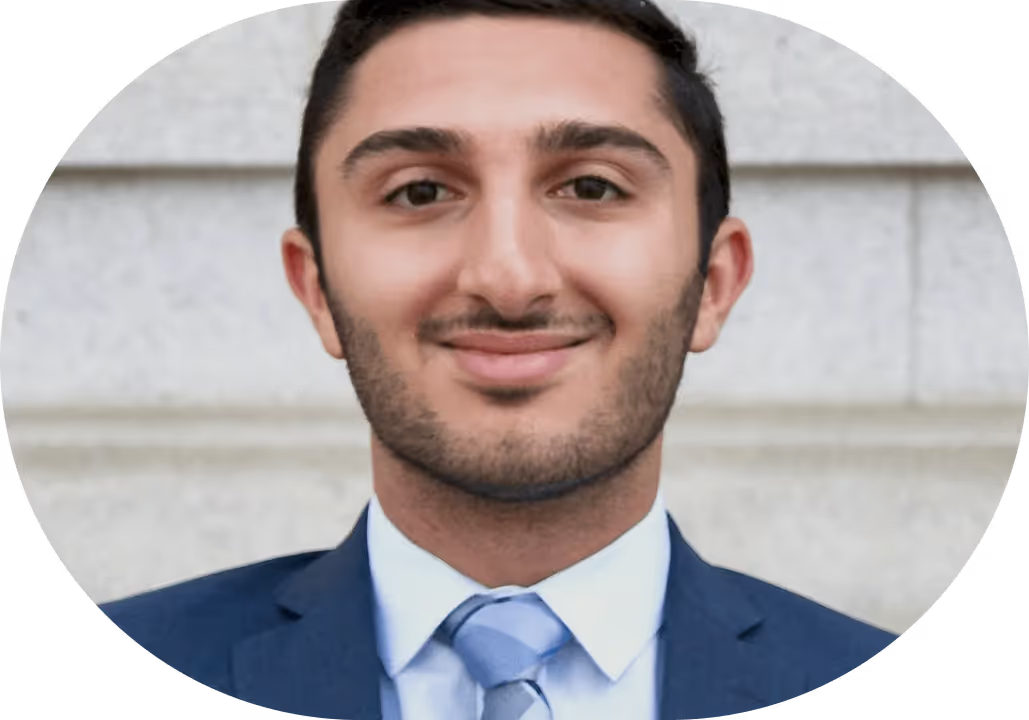
JONATHAN SHIRIAN
Undergraduate Education
Medical School
Residency
Recent Projects & Publications
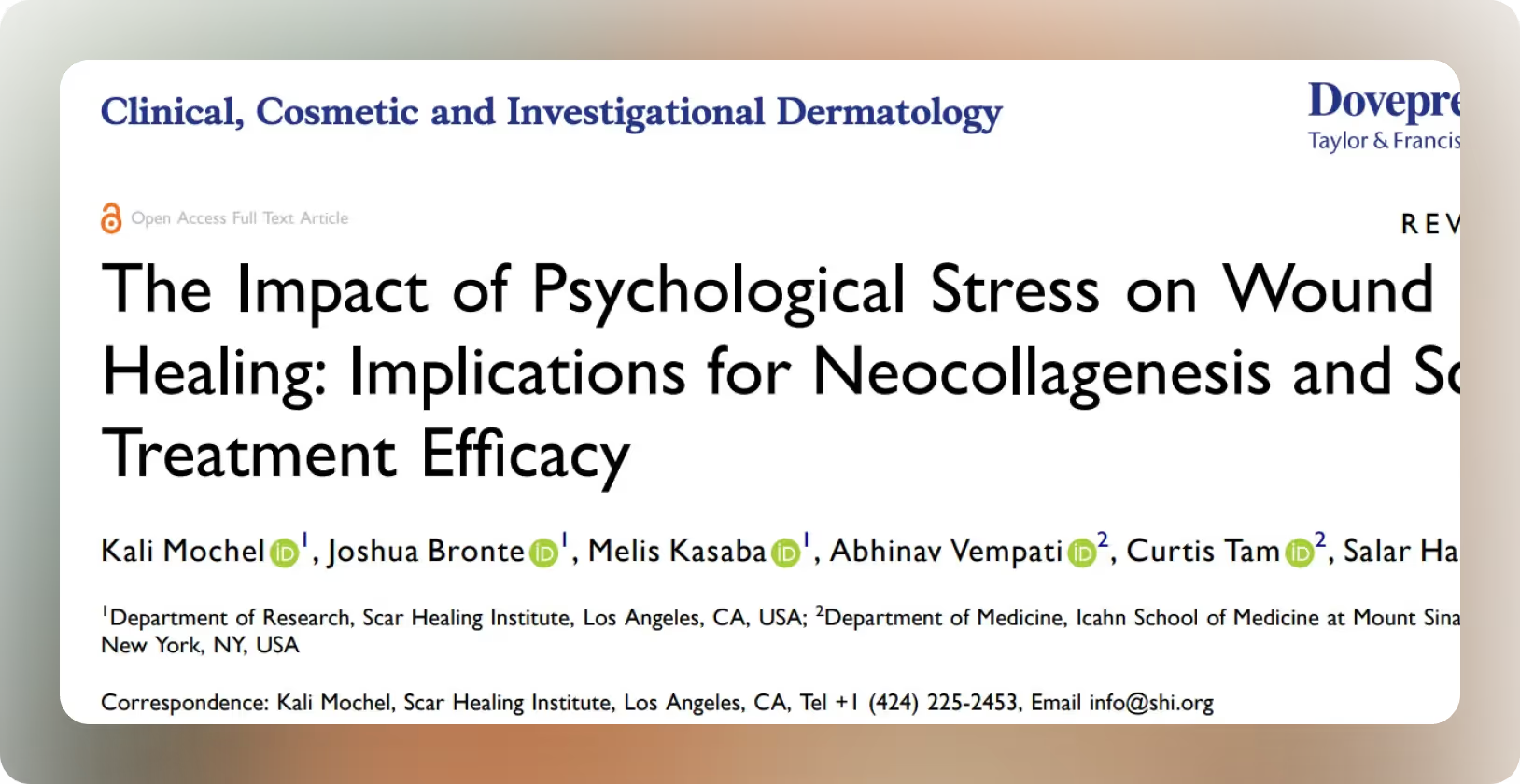
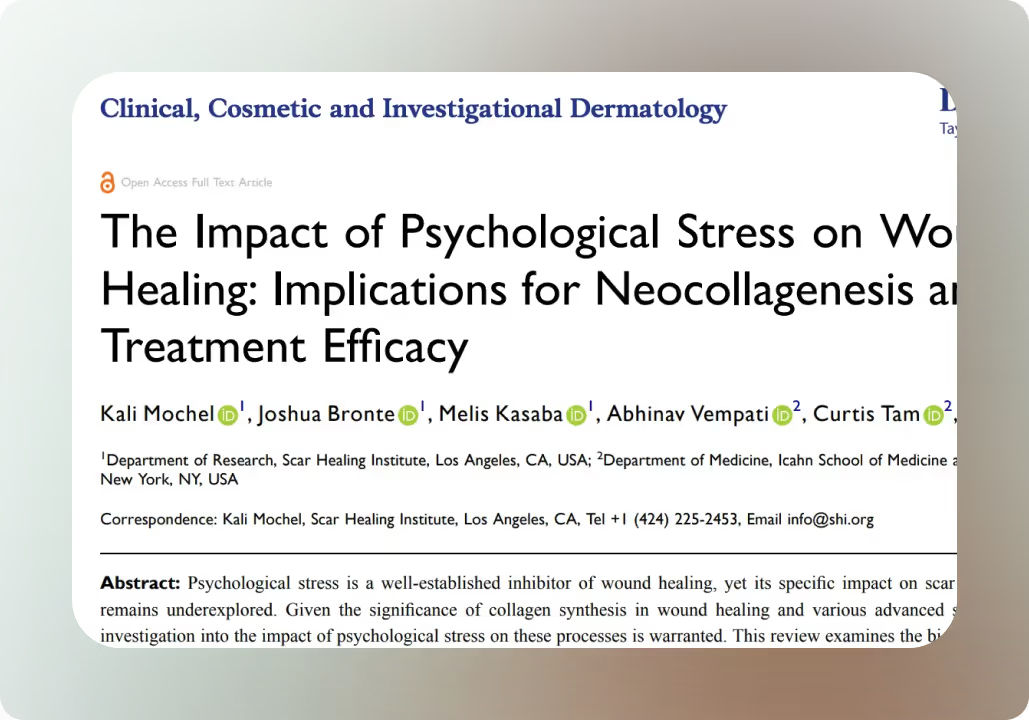
The Impact of Psychological Stress on Wound Healing: Implications for Neocollagenesis and Scar Treatment Efficacy
Psychological stress is a well-established inhibitor of wound healing, yet its specific impact on scar treatment efficacy remains underexplored. Given the significance of collagen synthesis in wound healing and various advanced scar treatments, an investigation into the impact of psychological stress on these processes is warranted. This review examines the biological mechanisms of wound healing and collagen formation
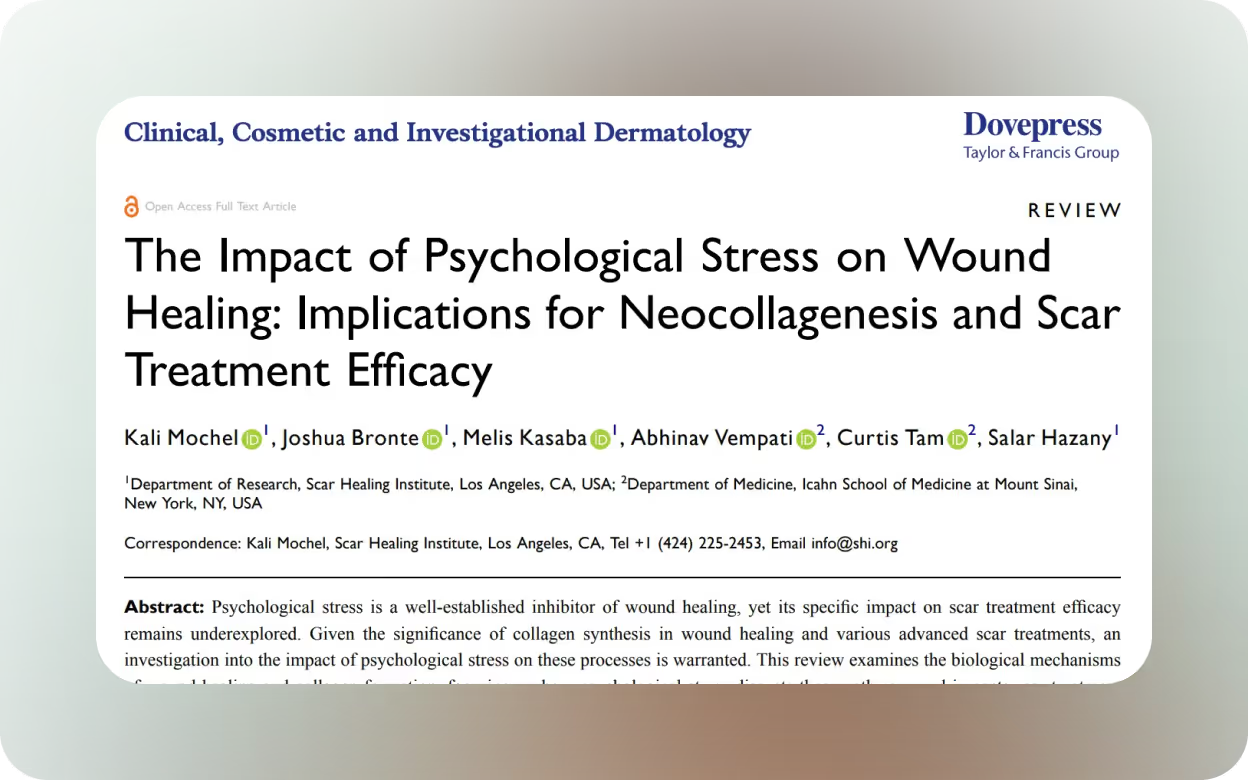
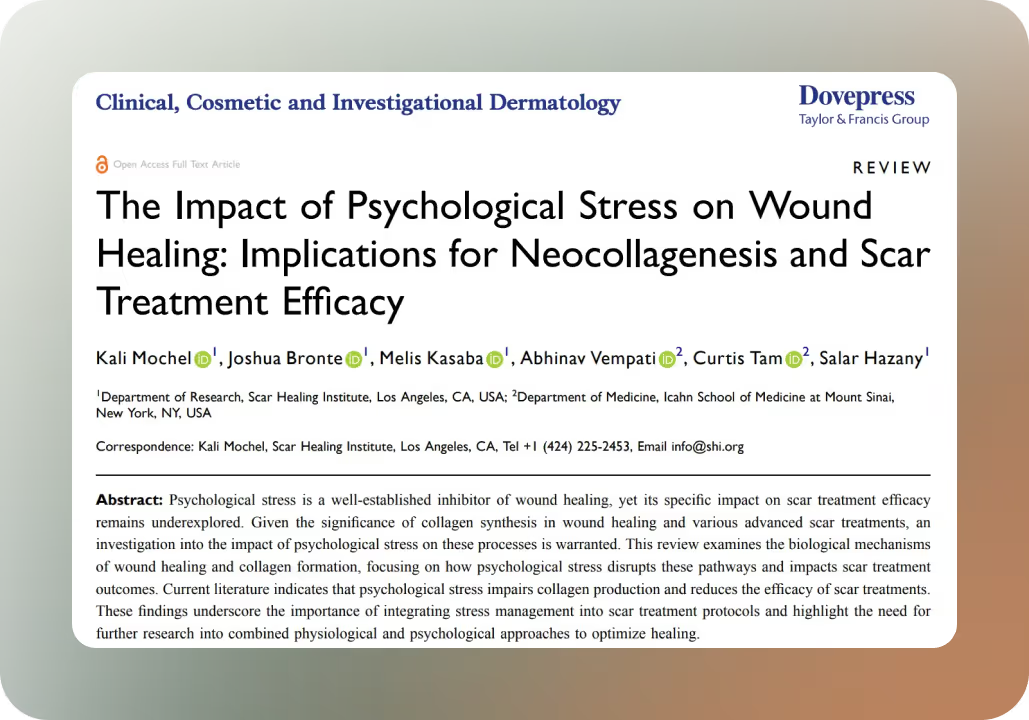
The Impact of Psychological Stress on Wound Healing: Implications for Neocollagenesis and Scar Treatment Efficacy
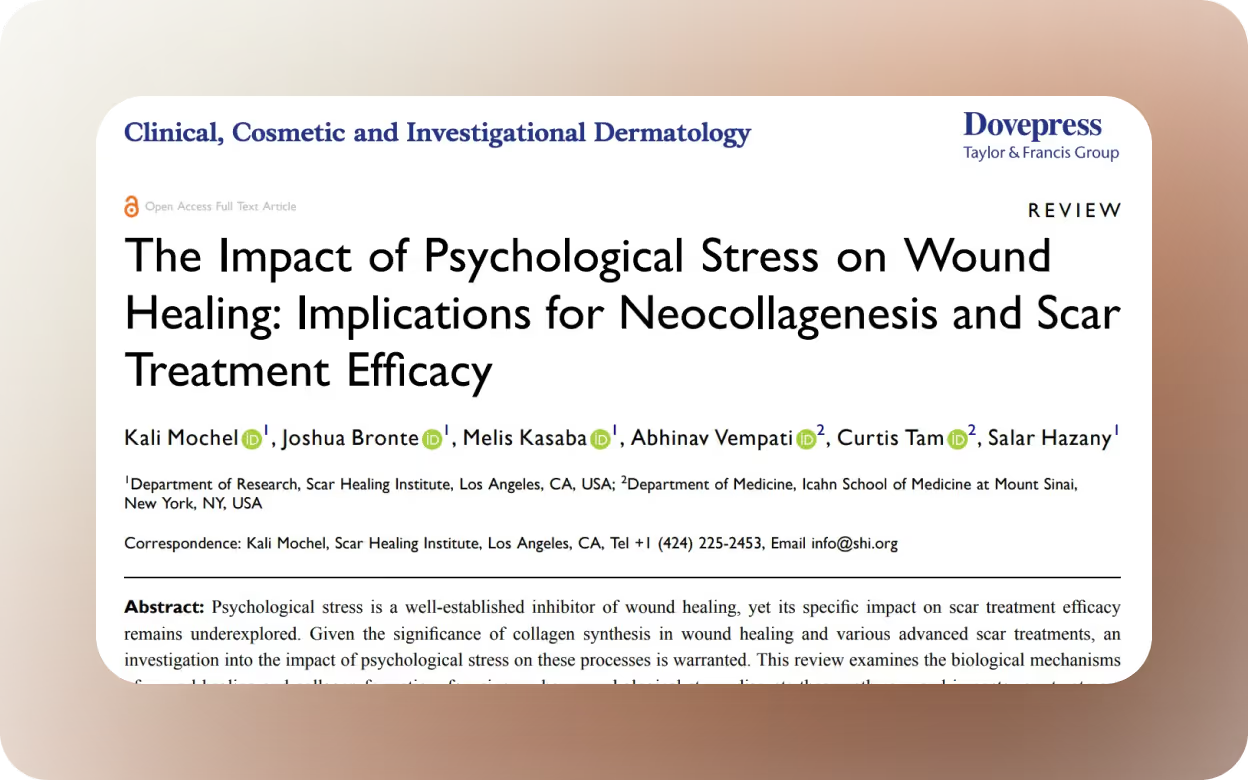
The Impact of Psychological Stress on Wound Healing: Implications for Neocollagenesis and Scar Treatment Efficacy
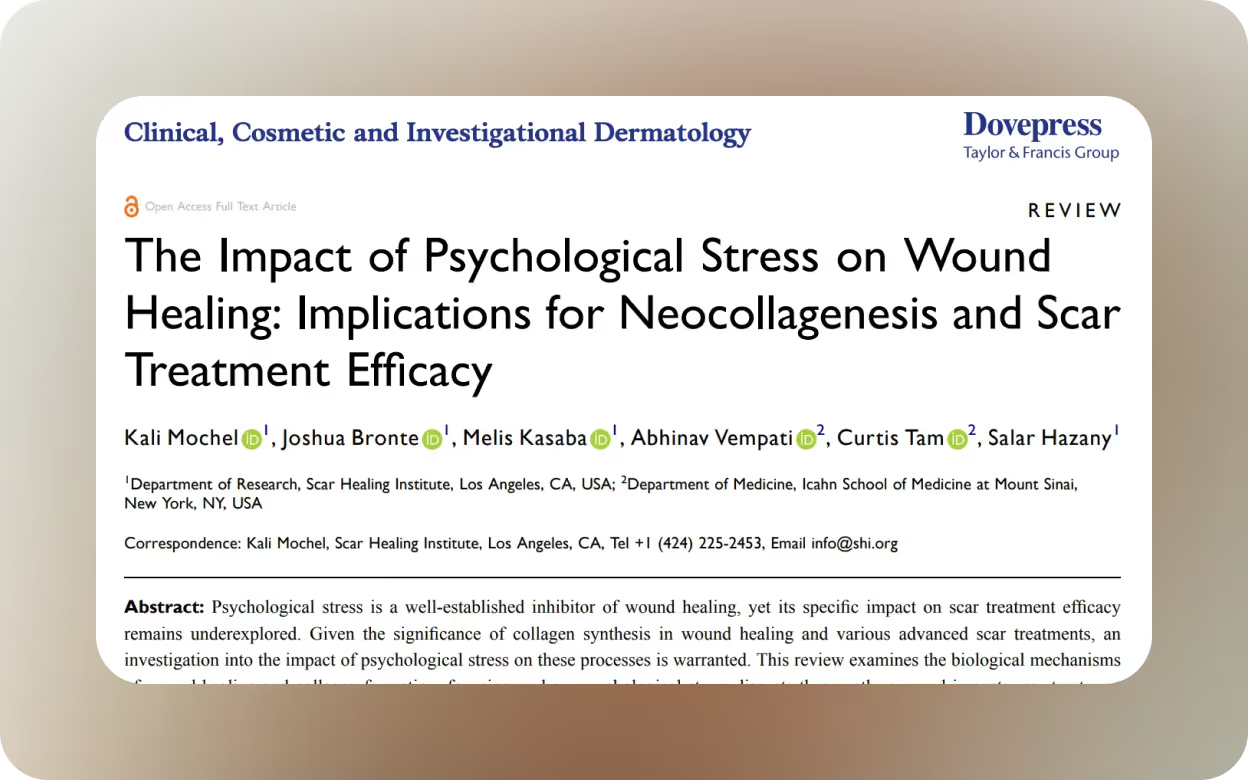
The Impact of Psychological Stress on Wound Healing: Implications for Neocollagenesis and Scar Treatment Efficacy
Frequently Asked Questions
Meet previous pre-medical fellows at Hazany Derm who gained clinical dermatology experience and pursued medical school training.
What do previous fellows say about their Hazany Derm experience?
Previous fellows consistently praise the hands-on clinical experience and mentorship from Dr. Hazany. They highlight the opportunity to observe and assist in diverse procedures from biopsies to Mohs surgery. Fellows appreciate the didactic teaching that explained the 'why' behind clinical decisions. Many note that the fellowship clarified their interest in dermatology or medicine generally. The professional relationships built during the fellowship often extend beyond the program itself. Fellows report that the experience significantly strengthened their medical school applications. The combination of clinical work, research opportunities, and mentorship created transformative learning experiences. Alumni fellows often return to discuss their medical school experiences and career progress. The fellowship's impact on fellows' careers demonstrates the value of quality pre-medical training.
How has the Hazany Derm fellowship prepared fellows for medical school?
The fellowship provides excellent preparation for medical school in multiple ways. Clinical experience in patient care, diagnosis, and treatment creates context for understanding medical concepts learned in medical school. Exposure to anatomy and physiology in clinical practice makes abstract concepts tangible. Experience with medical documentation and patient communication builds skills needed in medicine. Research experience develops scientific thinking and analytical skills essential in medical training. Understanding the demands of medical practice helps fellows prepare mentally for medical school's rigor. Letters of recommendation from Dr. Hazany carry significant weight in medical school applications. The confidence developed through clinical competence helps fellows succeed in medical school's competitive environment. Fellows report that their pre-medical experience gave them advantages in medical school, allowing them to focus on learning rather than adjusting to clinical work.
What kind of dermatology exposure do fellows receive?
Fellows receive comprehensive exposure to dermatology during their program at Hazany Derm. Clinical observation includes medical dermatology visits where they learn diagnosis and treatment of common skin conditions. Surgical dermatology observation includes skin biopsies, excisions, and Mohs micrographic surgery—the gold standard for skin cancer treatment. Cosmetic dermatology observation teaches aesthetic principles and treatment planning. Fellows learn to perform skin examinations and use dermatoscopes to identify concerning lesions. They observe various laser treatments, injectables, and chemical peels. Research opportunities may focus on acne, acne scarring, skin cancer, or cosmetic outcomes. This comprehensive exposure to all dermatology subspecialties gives fellows broad understanding of the specialty. The depth of experience at Hazany Derm exceeds typical pre-medical program exposure, giving fellows exceptional preparation.
How do Hazany Derm fellows contribute to patient care?
While pre-medical fellows are not licensed providers, they contribute meaningfully to patient care under Dr. Hazany's supervision. They may assist with patient interviews, taking detailed histories and chief complaints. They perform basic skin examinations under guidance and learn to identify concerning features. They assist during procedures, learning sterile technique and procedural flow. They help with wound care and patient education. Their work allows Dr. Hazany to spend more time with complex cases and teaching. Patients benefit from the additional attention fellows provide. This supervised participation builds fellows' clinical skills while maintaining high-quality patient care. The responsibility of contributing to real patient care motivates fellows and makes learning tangible. Many fellows report that patient care responsibilities were the most meaningful part of their experience.
What research opportunities are available through the Hazany Derm fellowship?
The fellowship offers research opportunities that develop scientific thinking and create publishable work. Fellows may investigate clinical questions arising from patient care. Research might examine treatment outcomes, compare different therapeutic approaches, or identify novel approaches. Some fellows conduct literature reviews and systematic analyses of dermatologic topics. Others participate in ongoing research projects at Hazany Derm. Potential publications from fellowship research strengthen medical school applications significantly. Research mentorship from Dr. Hazany teaches scientific method and critical thinking. Access to patient data and clinical cases provides rich material for research. The combination of clinical work and research uniquely prepares fellows for academic medicine. Many fellows pursue research-focused medical school paths following their fellowship experience.
How competitive are medical school acceptances for Hazany Derm fellows?
Hazany Derm fellows have an excellent track record of medical school acceptance. The combination of clinical experience, research, and mentorship from a world-renowned dermatologist creates compelling applications. Most fellows are accepted to medical schools, including many top-tier institutions. The letters of recommendation from Dr. Hazany carry significant weight given his reputation. Clinical experience demonstrated through the fellowship sets fellows apart from typical applicants. The dermatology expertise developed during the fellowship appeals to medical schools seeking physicians interested in the specialty. Research publications from fellowship projects strengthen applications further. The confidence and professional maturity developed through the fellowship serve fellows well in medical school interviews. Hazany Derm's track record demonstrates that the fellowship provides excellent preparation for medical school success.