





Eye Lift
Blepharoplasty
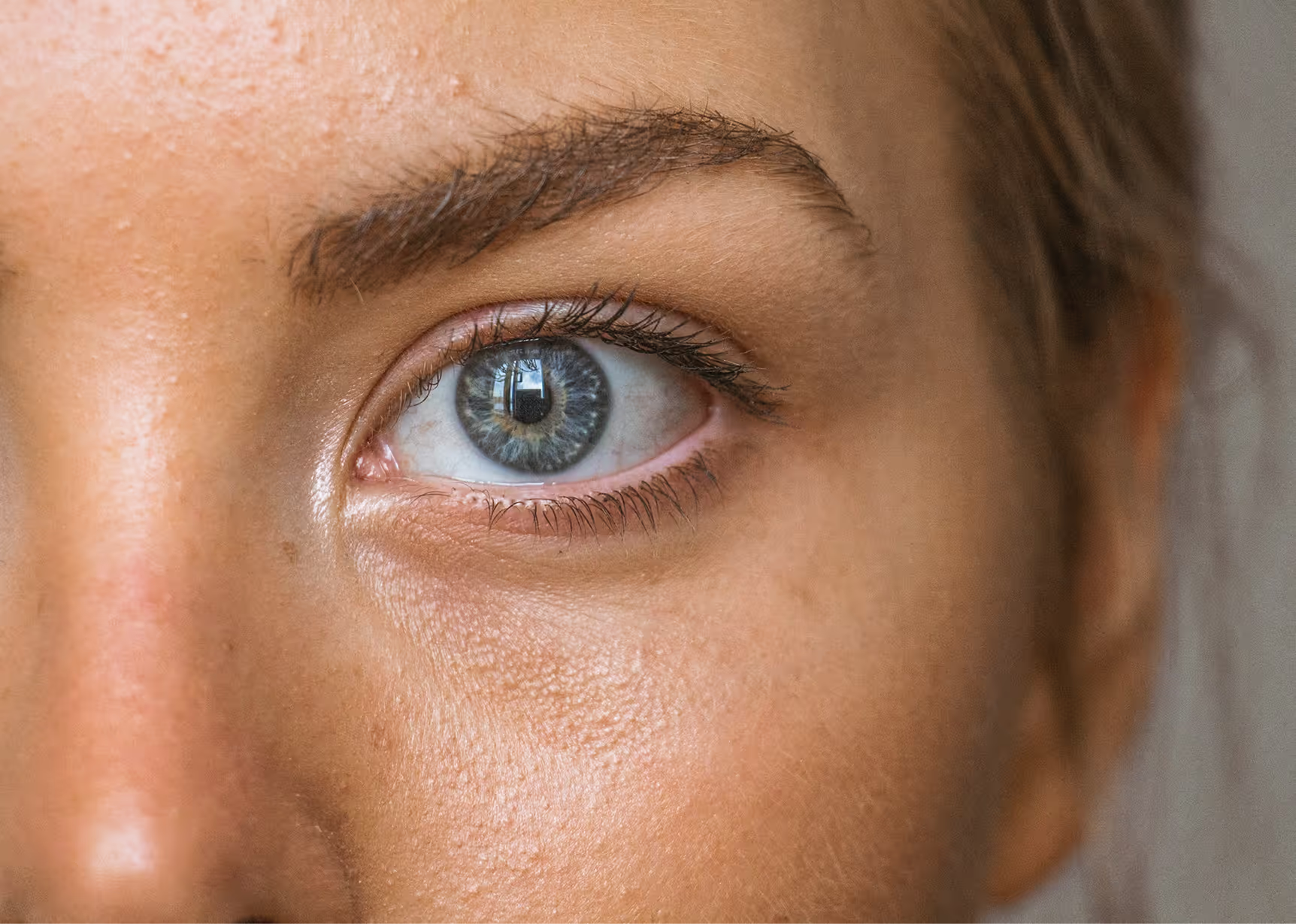
What is a Blepharoplasty?
Dr. Hazany has performed thousands of surgeries on the eyelids, the thinnest and most delicate skin area on the body. When it comes to your eyes, you need the best blepharoplasty surgeon with fine-motor experience to ensure a safe and beautiful result in the most sensitive area on your face.
Blepharoplasty, also known as eye lift, is a procedure that aims to correct eyelid defects and deformities. By tightening loose skin around the eyes, this procedure improves the patient's line of sight and restores eyelid functionality. In addition to functional enhancement, this procedure accentuates the eyes and enhances the face's overall appearance.
Dr. Hazany is an expert in four different types of blepharoplasty: non-surgical upper blepharoplasty, non-surgical lower blepharoplasty, surgical upper blepharoplasty, and surgical lower blepharoplasty.
Is Blepharoplasty Right for Me?
Why get an eye lift in Los Angeles with Dr. Hazany? As the human body ages, the skin gradually loses its elasticity. In combination with gravity, this lack of elasticity causes the skin around the eyes to sag and droop. A blepharoplasty provides quick and permanent results. By removing excess skin and wrinkle lines from both the upper and lower eyelids, Dr. Hazany can help you eliminate vision problems caused by loose skin and achieve a younger, more energetic looking face. Dr. Hazany offers minimally invasive blepharoplasty in his Beverly Hills clinic. Please schedule a consultation to determine if blepharoplasty is right for you.
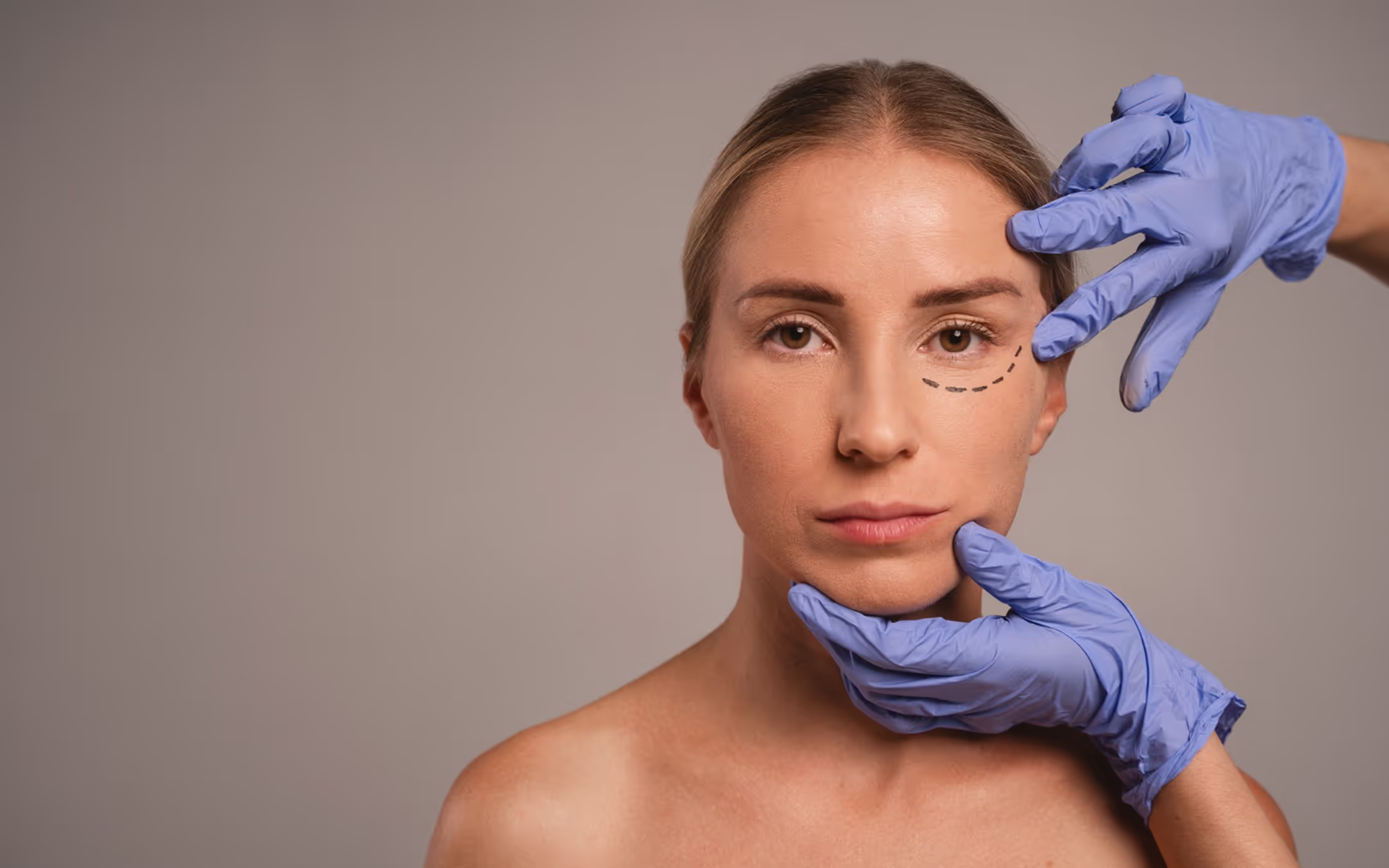
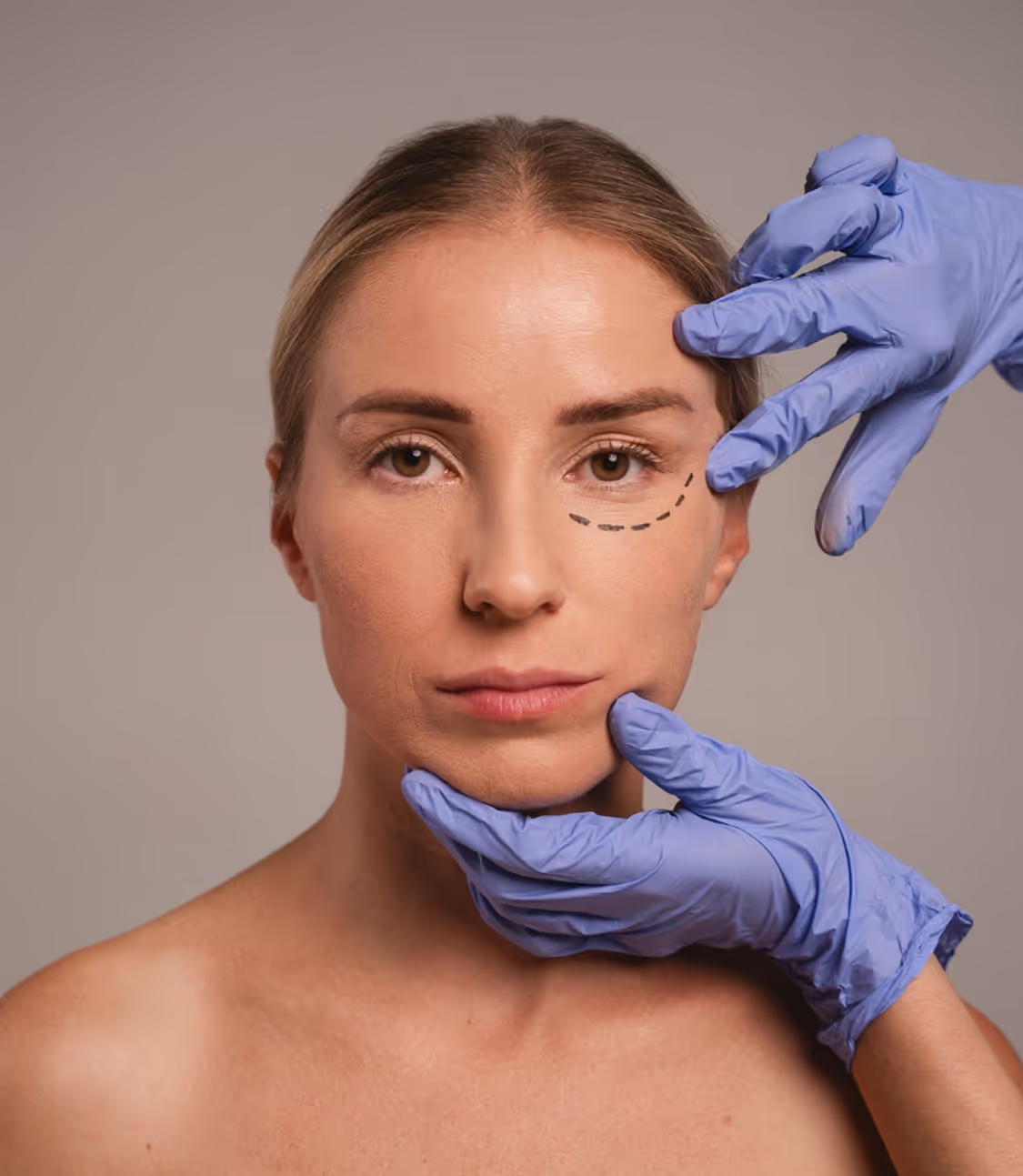
Does Blepharoplasty Fix Blepharitis?
"Baggy eyes,” or excess skin on the upper and lower eyelids, is a medical condition called dermatochalasis. Sometimes, people with dermatochalasis also suffer from blepharitis. Blepharitis is a condition characterized by inflammation in the inner part of the eye. Blepharitis interferes with proper eye lubrication, causes extreme discomfort and vision problems. Dr. Hazany uses blepharoplasty to treat dermatochalasis and blepharitis.
Non-Surgical Blepharoplasty
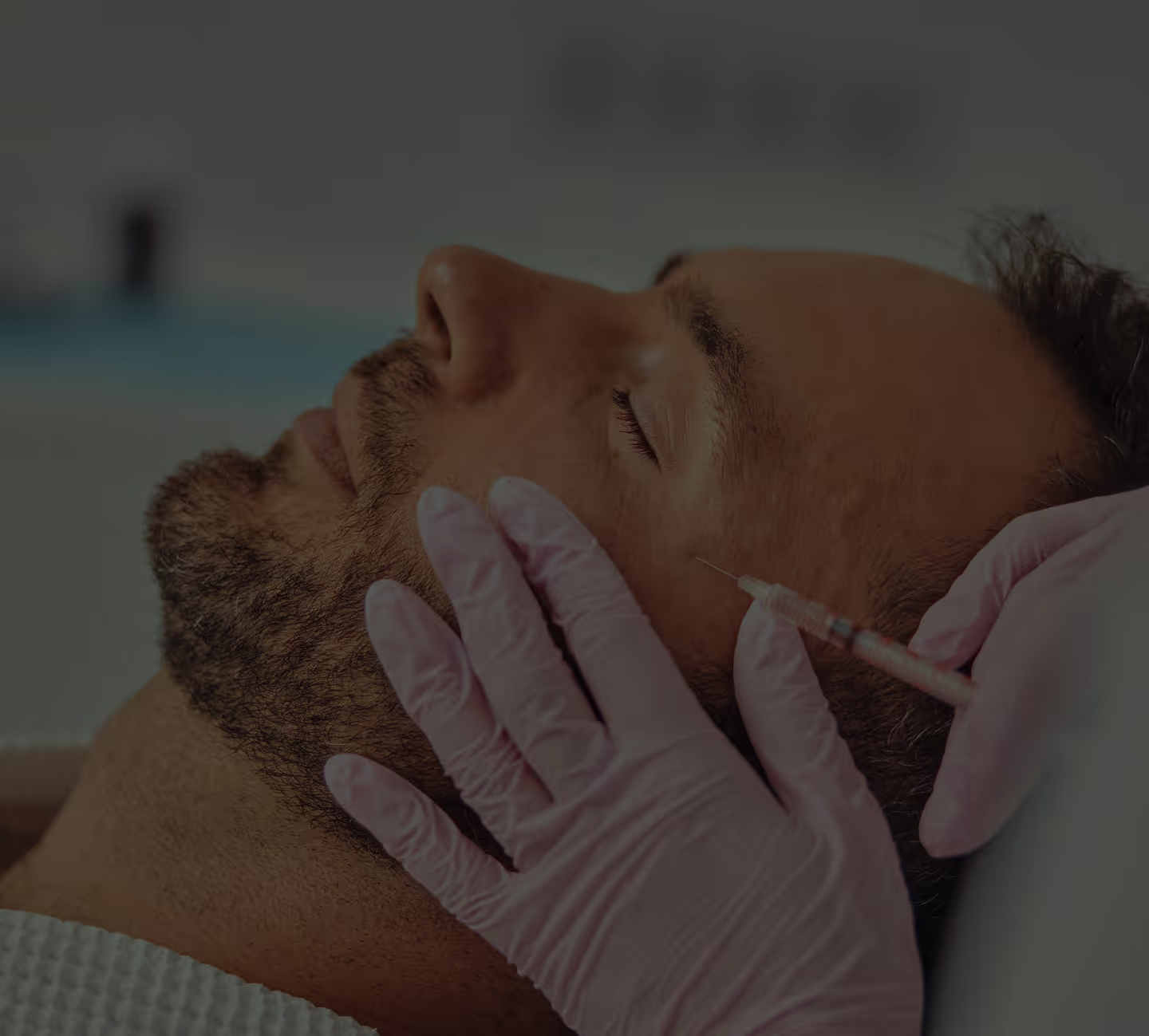
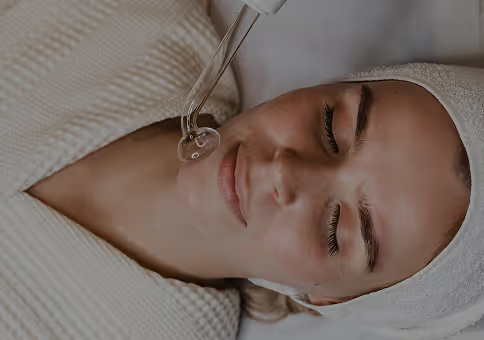
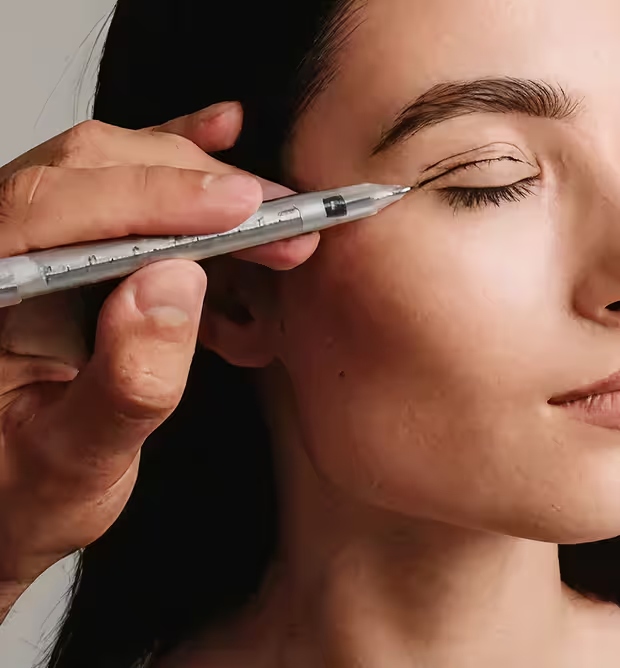
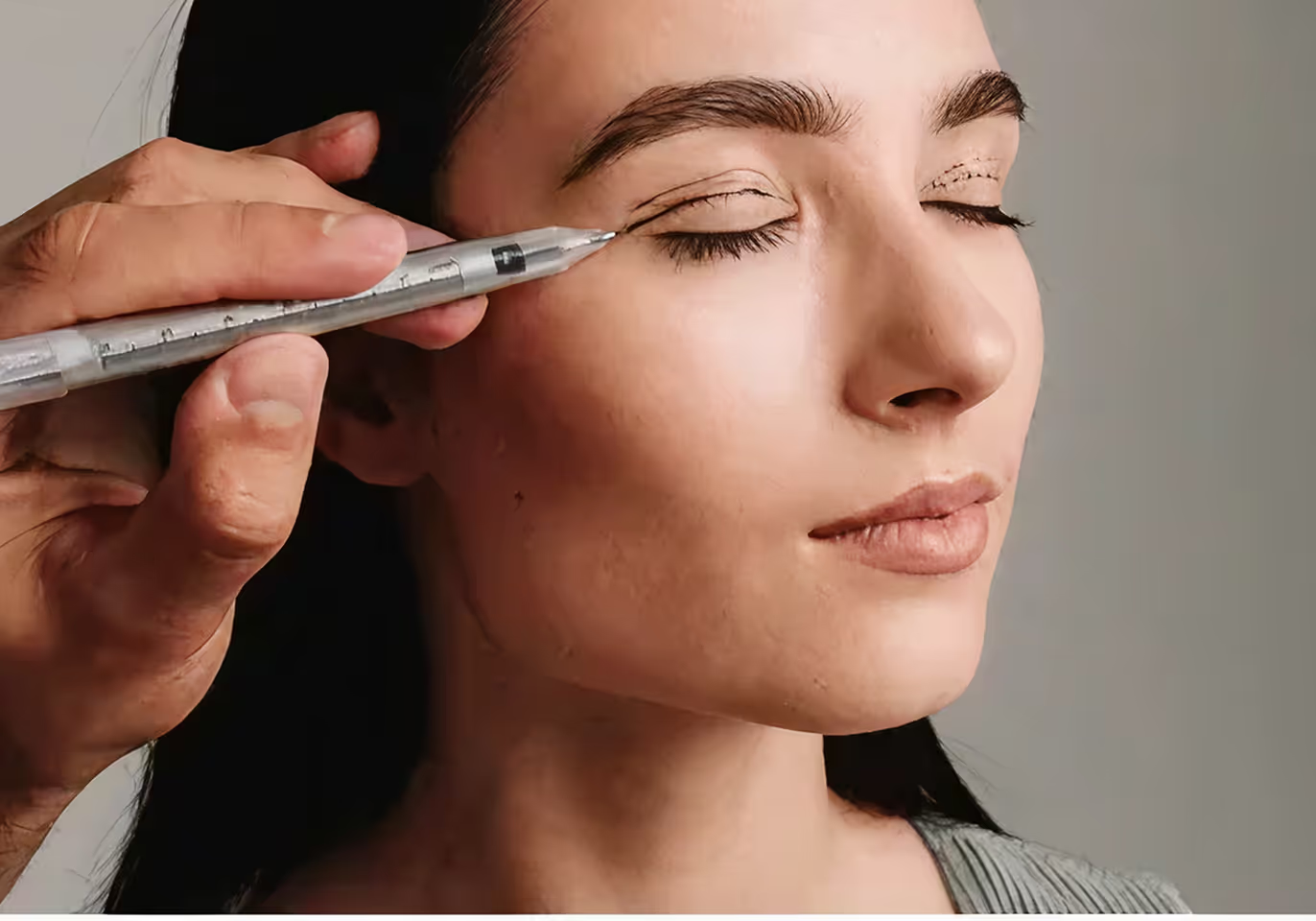
The use of EyeLASE allows for an eye lift that non-surgically tightens, lifts, and smoothes the skin around the eyes. Additionally, the Plasma Pen delivers plasma waves to the area of the eye being treated in a way that generates collagen and allows for a natural, non-surgical eyelid tightening.
Aging Is Inevitable
Let It Be On Your Terms
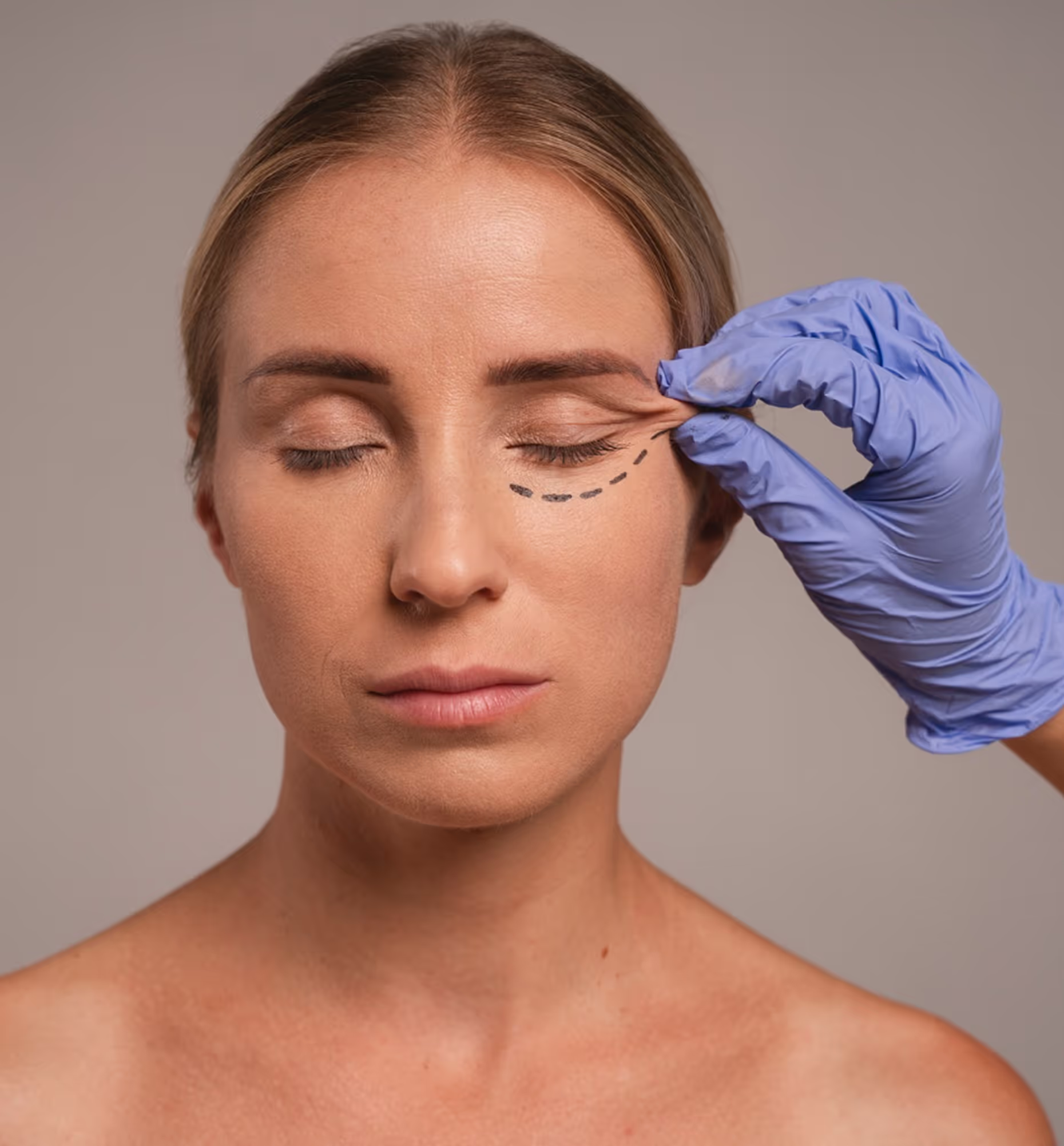
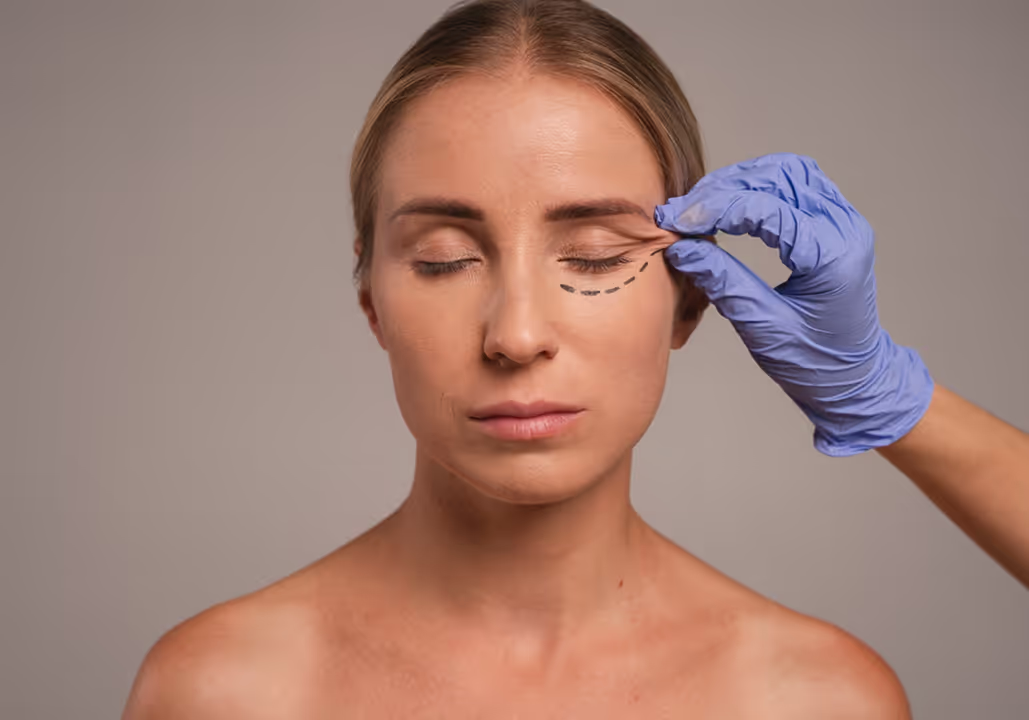
The upper eyelid can be surgically with an upper blepharoplasty. In this procedure, small incisions are created on the upper eyelid, cutting out a portion of loose skin. The incision is then closed up, tightening the eyelids for a more youthful appearance.
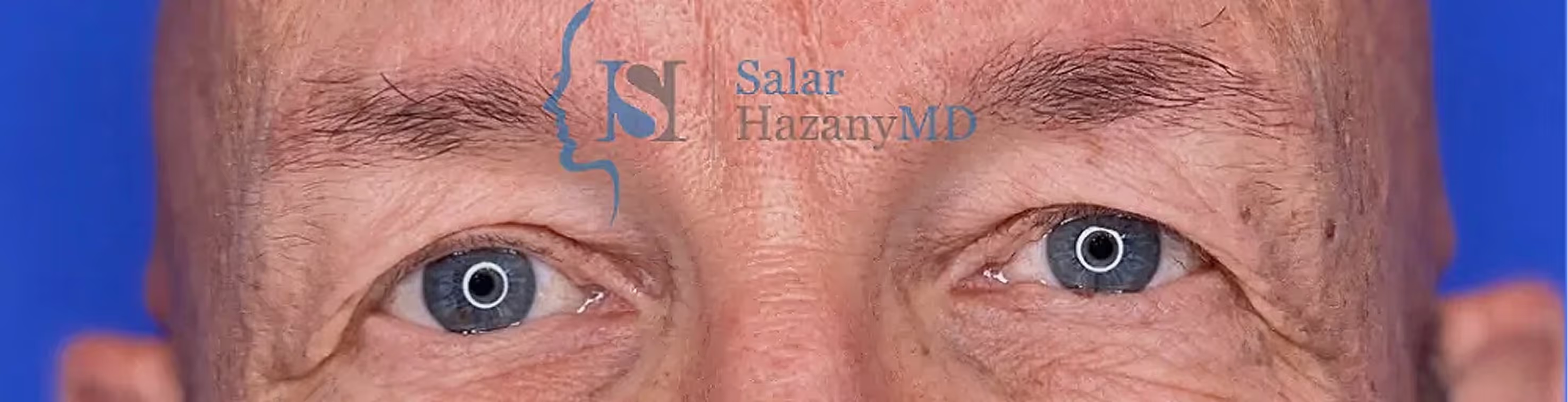
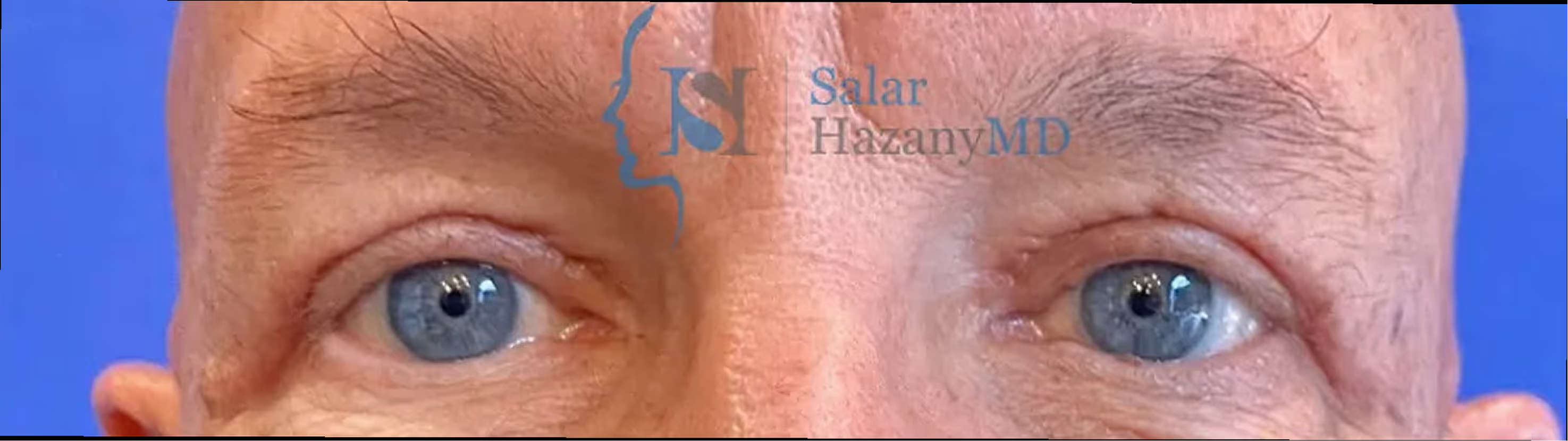
A lower blepharoplasty enhances the appearance of the skin under the eye. Baggy and wrinkly undereye areas eyes can be removed and enhanced with a surgical lower blepharoplasty. The surgeon might add or remove skin to tighten the lower eyelid area. Combined with other procedures, like laser resurfacing or chemical peels, Dr. Hazany help you achieve your aesthetic goals.
Frequently Asked Questions
Blepharoplasty eyelid lift surgery in Beverly Hills removes excess eyelid skin and improves tired, aged appearance.
What is blepharoplasty and what does the procedure address?
Blepharoplasty is surgical removal or repositioning of excess eyelid skin and fat to rejuvenate the eyes. Upper blepharoplasty removes excess upper eyelid skin that creates a hooded appearance and can impair vision. Lower blepharoplasty addresses under-eye bags, puffiness, and excess lower eyelid skin. The procedure addresses several concerns: heavy, drooping upper eyelids that age appearance or impair vision, dark circles and hollowness under eyes, puffy lower eyelid bags, and fine wrinkles around eyes. Eyes are central to facial appearance and expression, making blepharoplasty highly impactful. The procedure is both functional and aesthetic—it can improve vision while enhancing appearance. Results are immediate and long-lasting. Dr. Salar Hazany performs blepharoplasty with meticulous attention to aesthetic detail. Most patients report dramatic improvement in appearance and feeling younger.
What are the differences between upper and lower blepharoplasty?
Upper blepharoplasty removes excess skin from the upper eyelid fold, visible when eyes are open. The incision is hidden in the natural eyelid crease. Upper blepharoplasty can improve vision if drooping lids impair sight. Results in dramatic improvement in eye opening and less tired appearance. Lower blepharoplasty addresses under-eye bags and excess lower lid skin. Incisions can be placed inside the eyelid (transconjunctival) or below the lash line (subciliary). Lower blepharoplasty may involve fat repositioning or removal. Results improve dark circles and hollowness. Some patients need both procedures for comprehensive rejuvenation. Upper blepharoplasty often appears more immediately impactful. Lower blepharoplasty may be technically more challenging. Dr. Hazany evaluates each patient to determine which procedures are indicated.
Is blepharoplasty ever covered by insurance?
Blepharoplasty may be partially covered by insurance if the procedure has a functional component. Upper blepharoplasty may be covered if excess skin impairs vision—pre-operative vision testing determines this. If purely cosmetic, insurance won't cover the procedure. Insurance coverage requires documentation of functional impairment, not just aesthetic concern. The amount of coverage varies by insurance plan and medical necessity determination. Most purely cosmetic blepharoplasty is not covered. Patients should contact their insurance before surgery to determine potential coverage. Even if partially covered, patients typically pay a deductible and percentage. Dr. Hazany's office can help patients navigate insurance coverage and clarify what may be covered. Discussing coverage before surgery prevents surprise bills.
What is the recovery like after blepharoplasty?
Blepharoplasty recovery involves temporary swelling, bruising, and activity restrictions. Swelling and bruising peak within 24-48 hours and gradually improve over 1-2 weeks. Most obvious swelling resolves within a week, though subtle swelling continues for several weeks. Stitches are removed within 4-7 days. Patients can usually resume work within 1-2 weeks. Strenuous exercise and heavy lifting should be avoided for 2-3 weeks. Eyes may be uncomfortable and dry during healing; eye drops support healing. Some patients experience temporary tightness or eyelid lag. Scars fade significantly over weeks to months. Results become apparent as swelling resolves. Final results appear 6-8 weeks after surgery. Most patients find the quick recovery and dramatic improvement worthwhile. Dr. Hazany provides detailed post-operative care instructions.
How long do blepharoplasty results last?
Blepharoplasty results are long-lasting. The eyelid skin removed doesn't grow back, so improvements in hooding and excessive skin persist. Under-eye bags treated with fat removal show long-lasting improvement. However, some gradual laxity can occur as skin continues aging. Results may last 10-15 years or longer in many patients. The youthful eye opening and improved appearance persist much longer than non-surgical treatments. Some patients may want touch-up procedures decades later if aging affects the results. The dramatic improvement in appearance makes these long-lasting results valuable. Combined with other anti-aging procedures, comprehensive facial rejuvenation is achievable. Dr. Hazany discusses expected longevity of results during consultation.
Will blepharoplasty result in an unnatural appearance?
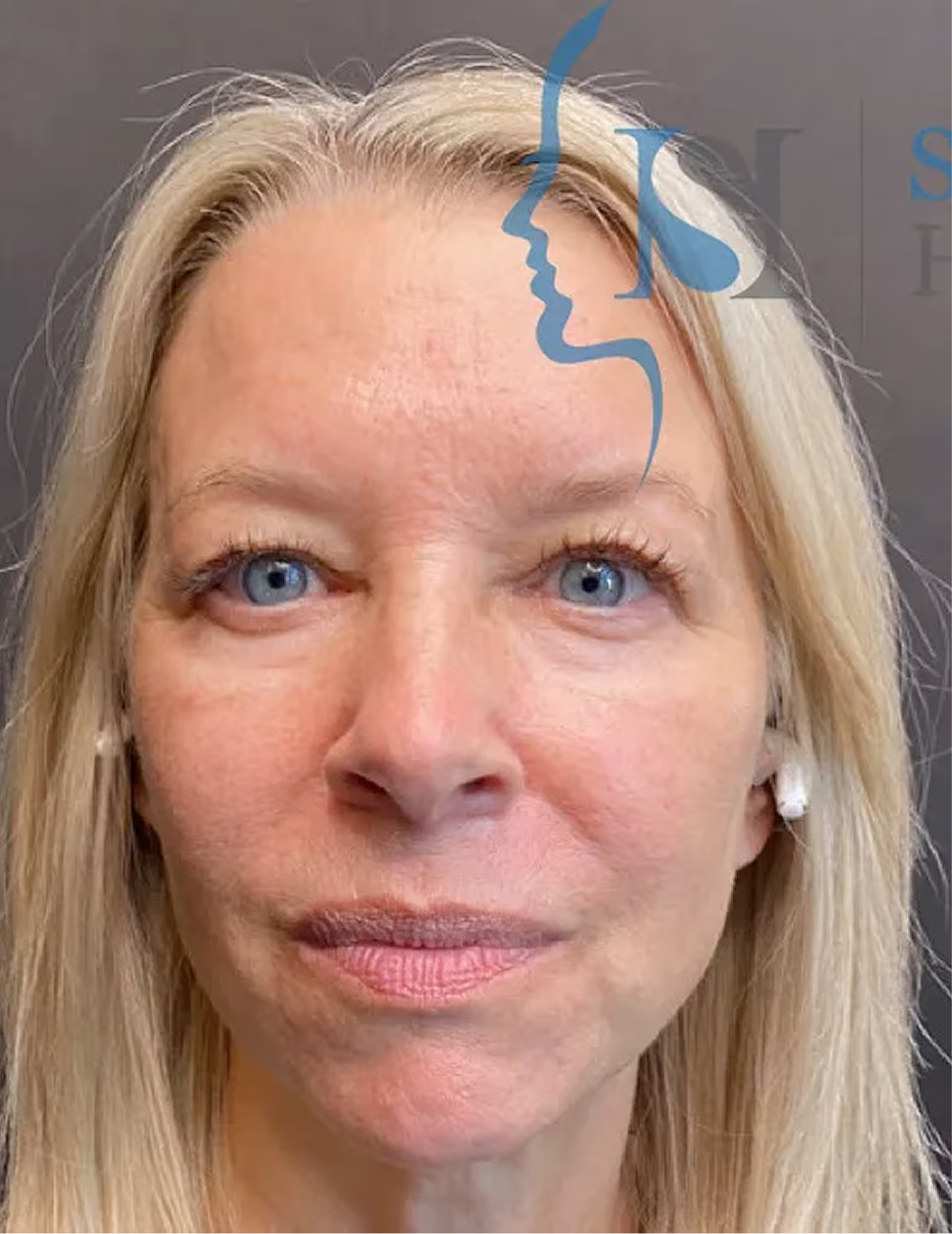
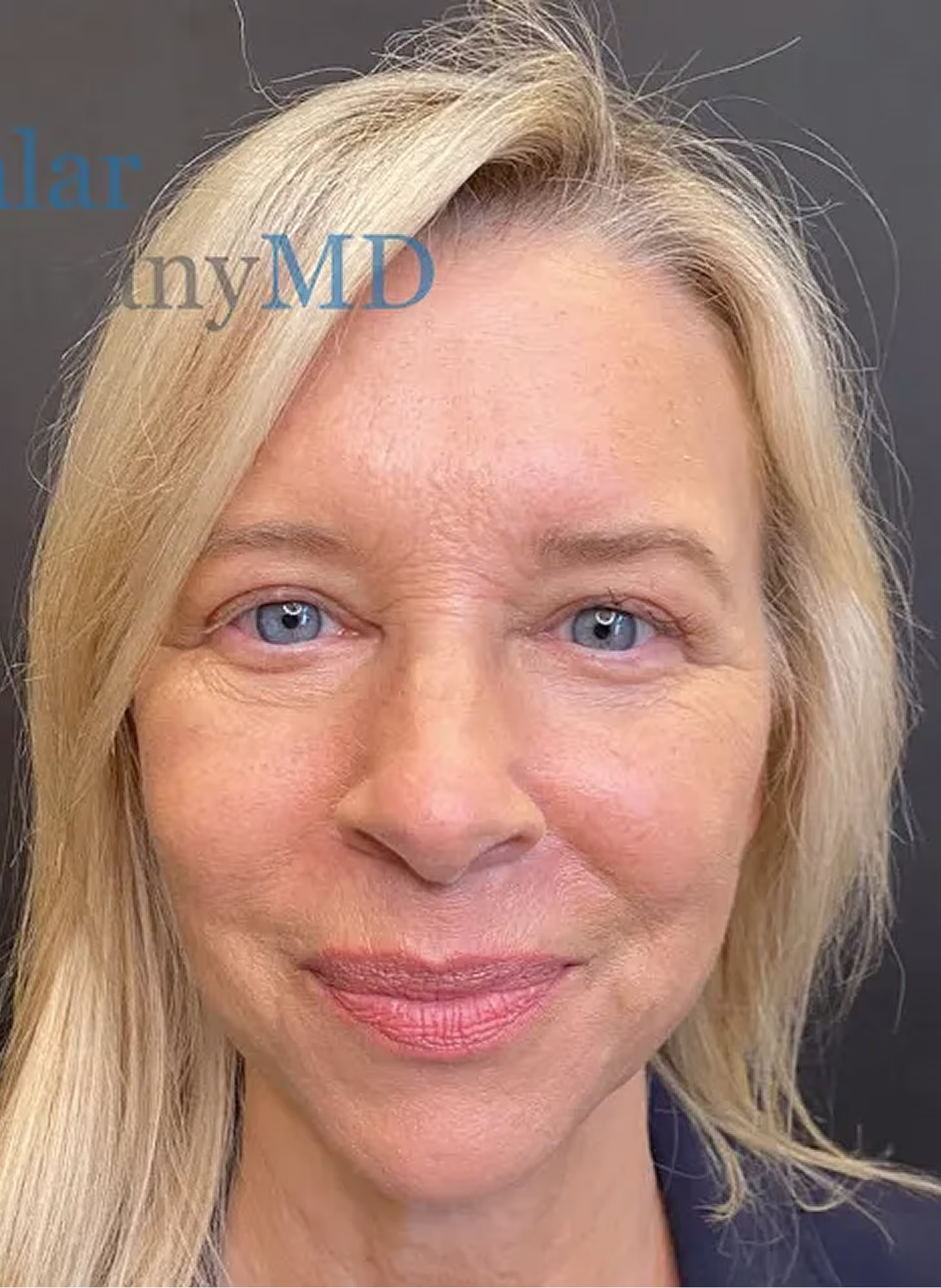
Natural-looking blepharoplasty results are achieved through careful surgical planning and conservative skin removal. Removing too much skin causes unnatural lid lag and abnormal appearance. Experienced surgeons like Dr. Salar Hazany understand eyelid anatomy and aesthetics. Incisions are carefully placed in natural creases or hidden locations. Results maintain natural eyelid shape and function. Most people notice improved appearance and youthfulness, not that surgery was performed. Natural-looking results enhance facial beauty without appearing surgical. Discussion of aesthetic goals during consultation ensures understanding of preferences. Before-and-after photos demonstrate typical natural-looking results. The goal is rejuvenated, naturally appearing eyes. Dr. Hazany's meticulous attention to detail produces consistently natural results.
What are potential complications of blepharoplasty?
While serious complications are rare with experienced surgeons, potential complications include infection, bleeding, scarring, and eyelid malposition. Temporary dry eyes are common but usually resolve with time and eye drops. Some patients experience temporary eyelid lag or difficulty closing completely. Asymmetry may occur but is usually subtle. Permanent visual changes are rare but possible. Under-correction or over-correction may occur, potentially requiring revision. Hematoma (blood collection) may rarely require drainage. Choosing an experienced surgeon like Dr. Hazany significantly reduces complication risk. Following post-operative instructions carefully prevents many complications. Patients should report any concerning symptoms during recovery. While complications are uncommon, understanding risks is important. Dr. Hazany thoroughly discusses risks and complications during consultation.