







Mole Reduction & Removal
Expert Mole Removal in Beverly Hills and Los Angeles
What are Moles?
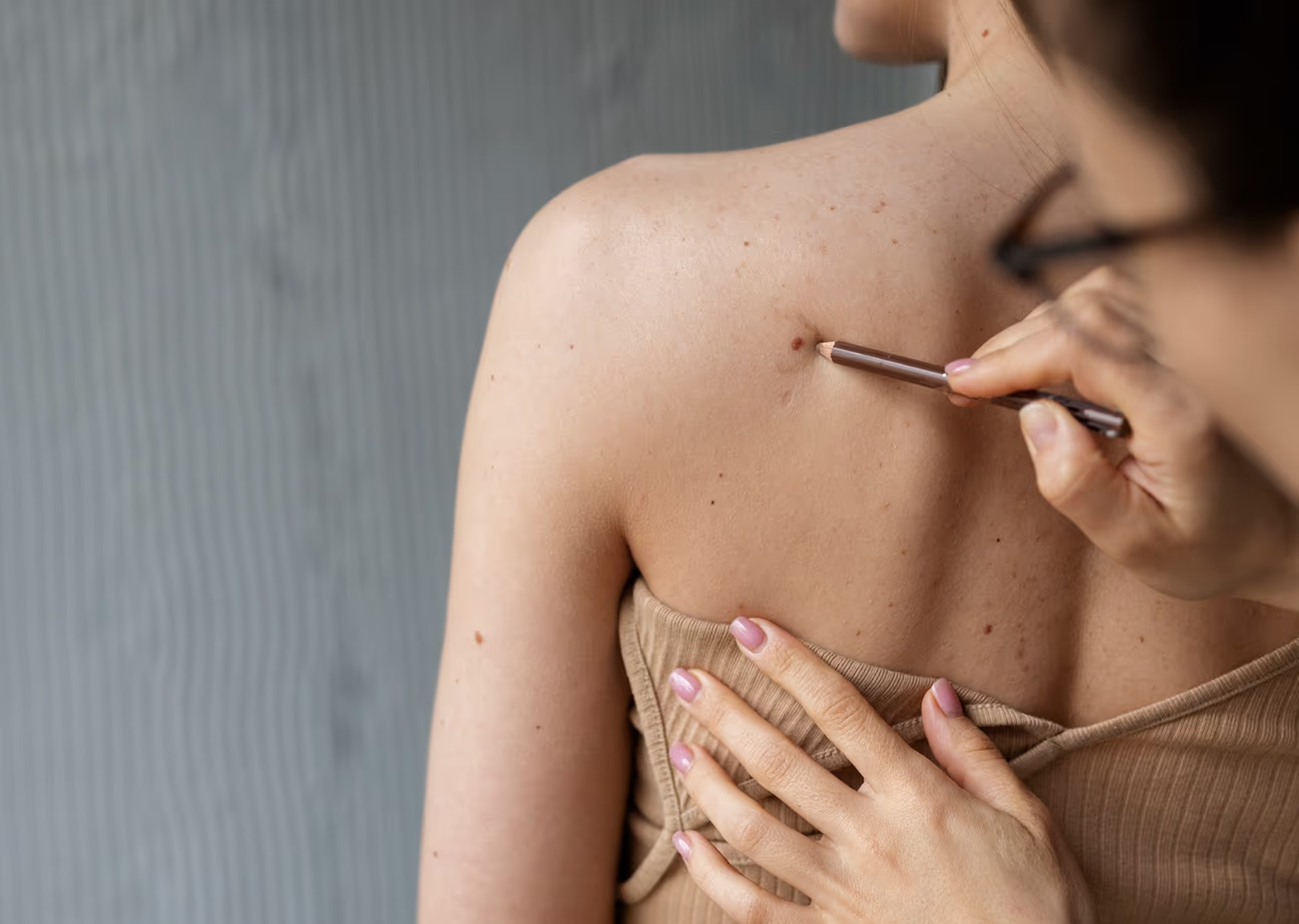
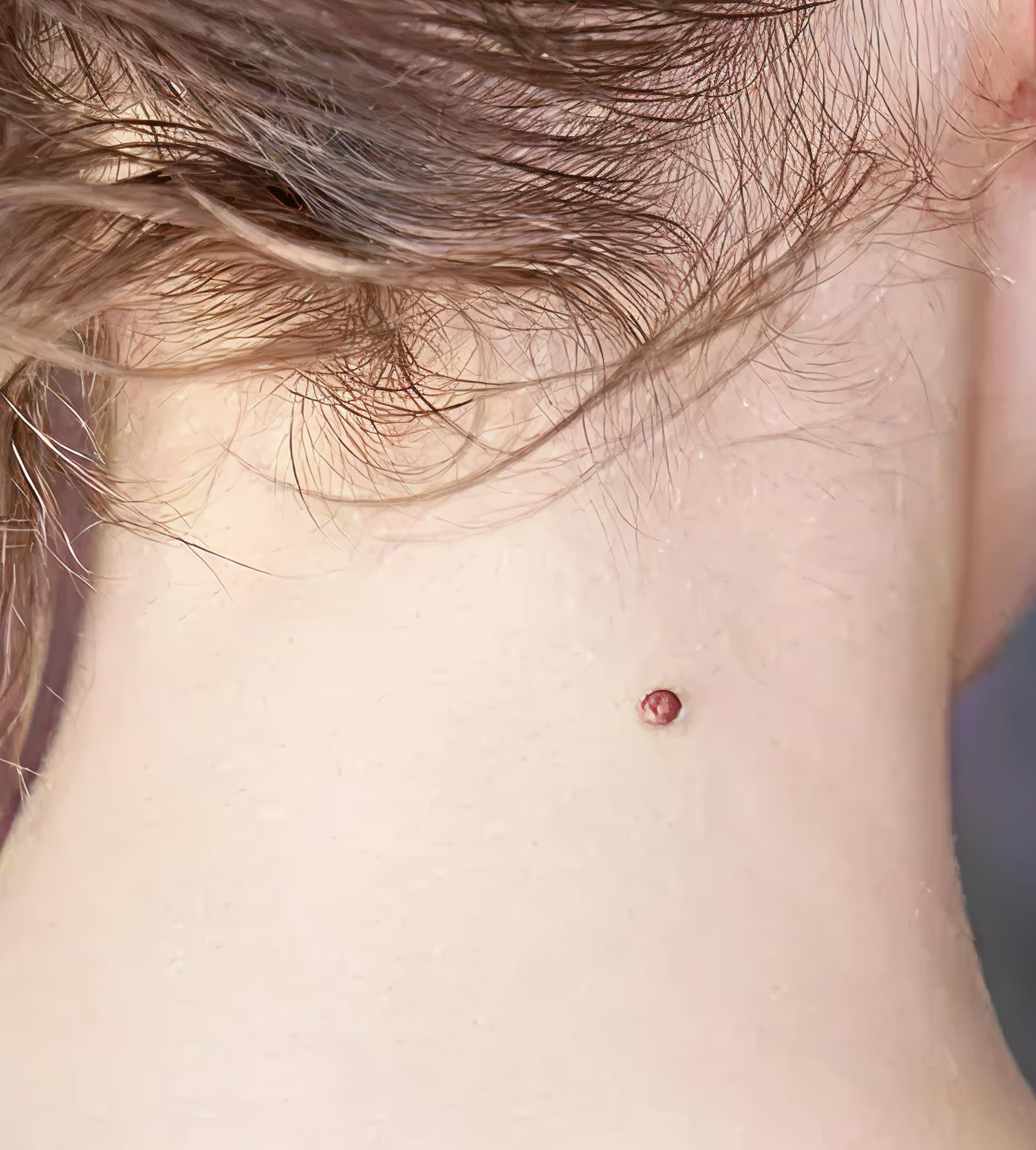
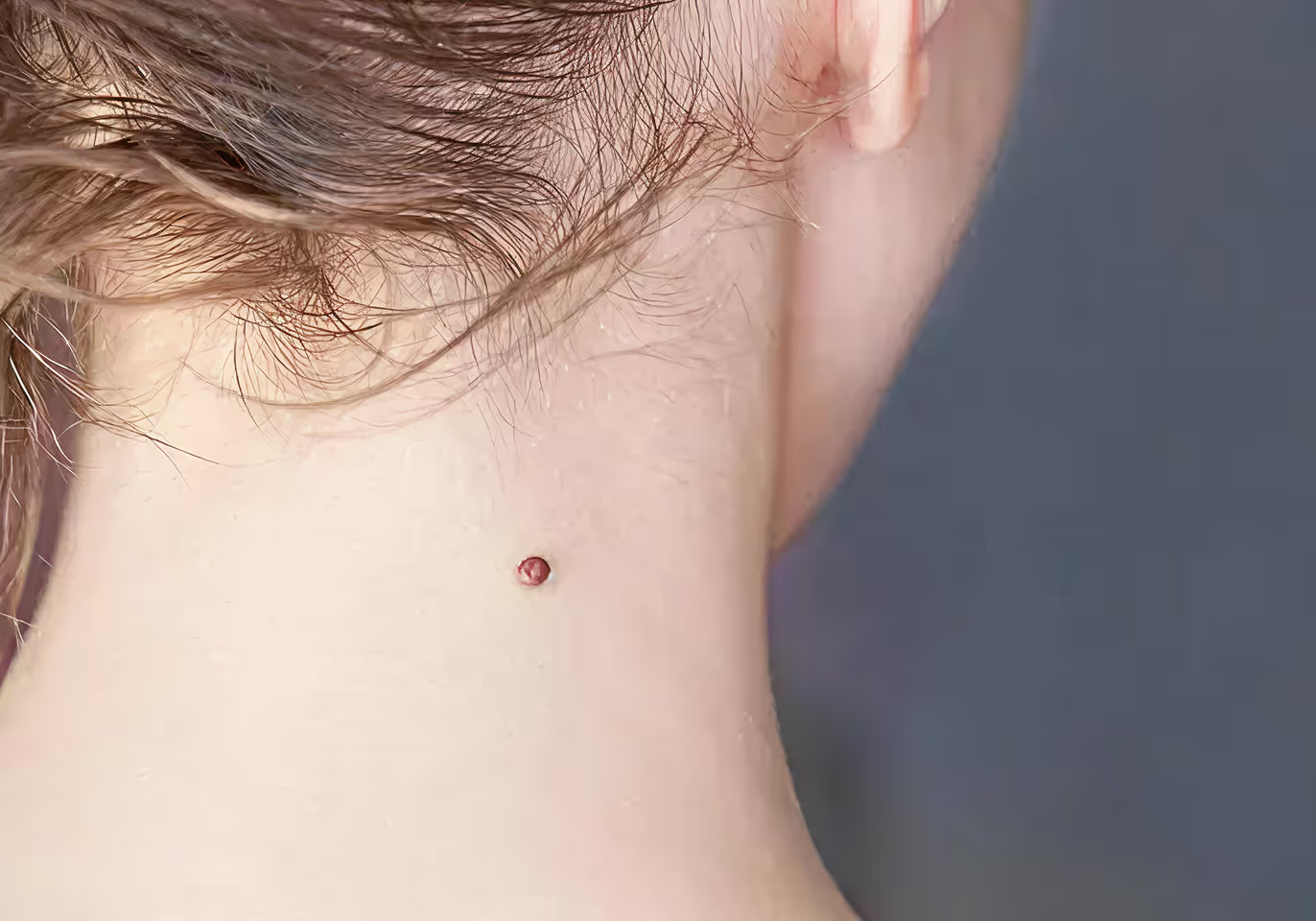
Moles are groupings of melanocytes (i.e., cells that produce melanin or pigmentation). Although they are non-cancerous, it is essential to monitor moles to ensure they do not develop into malignant melanoma (i.e., cancer of melanocyte cells). “Dysplastic moles” are moles that have an atypical appearance and are potential precursors to melanoma.
What Causes Moles?
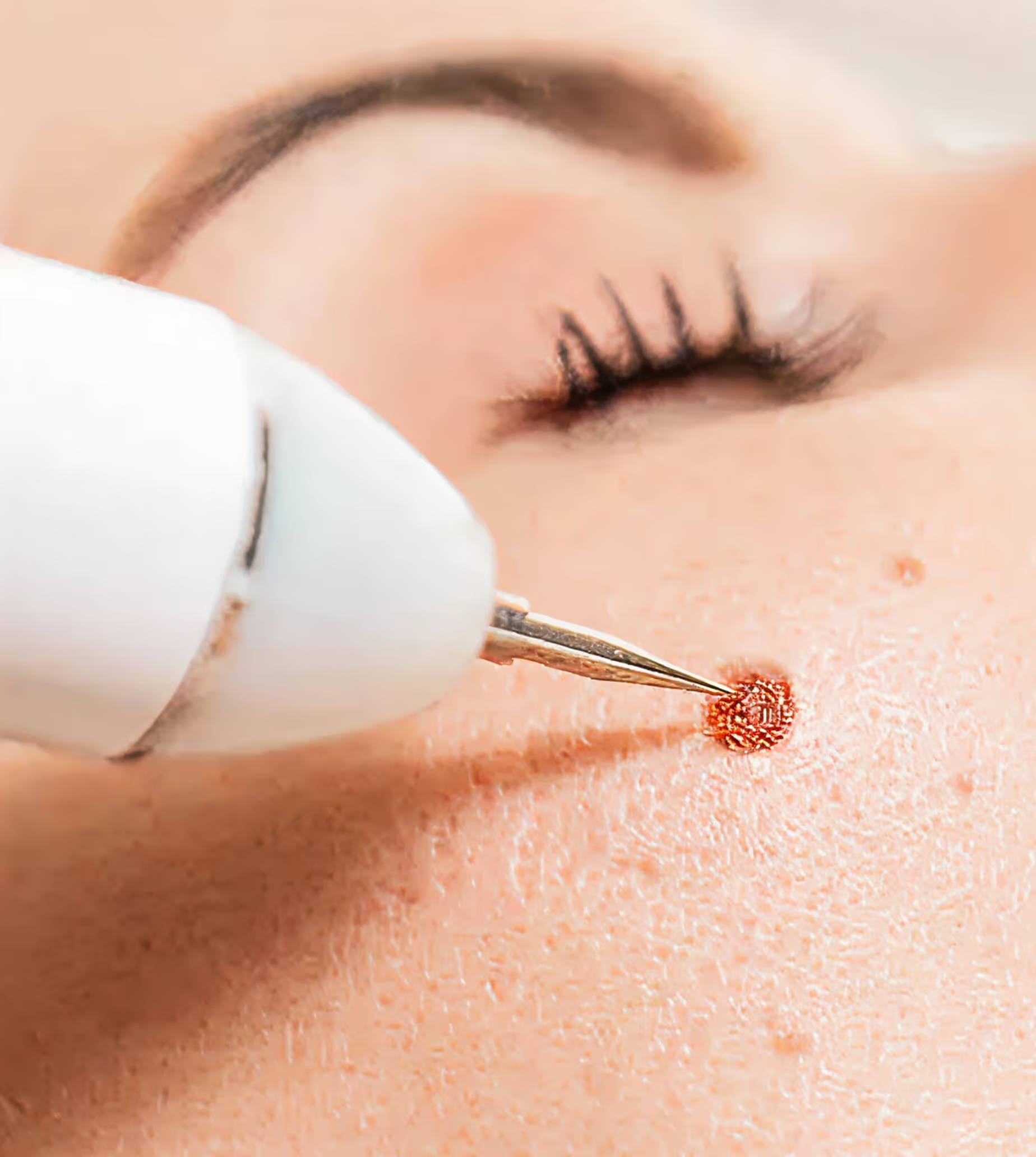
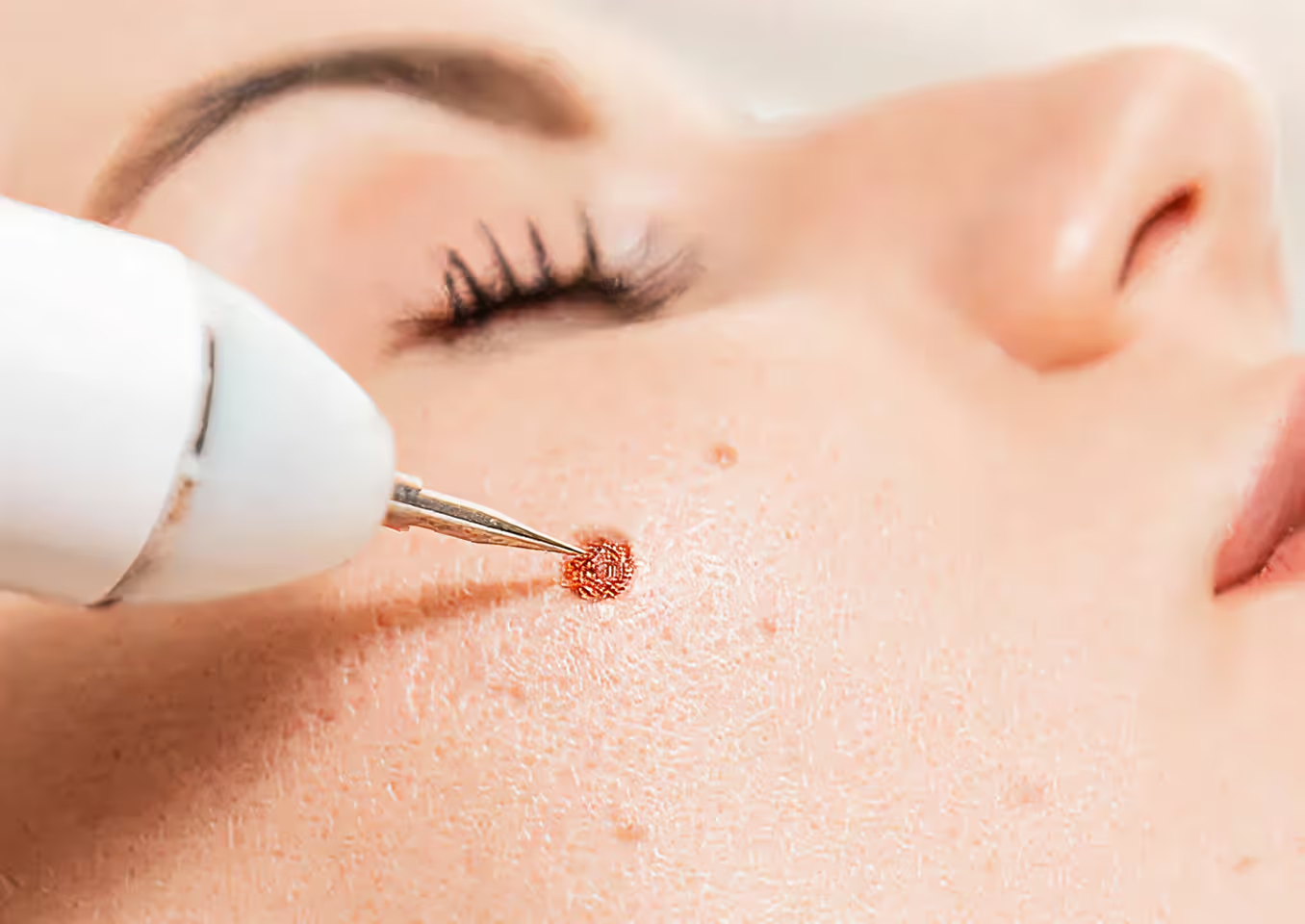
The clustering and clumping of melanocytes (i.e., melanin-producing cells) cause mole formation. This is a random process that can also result from genetic inheritance.
Mole Removal in LA
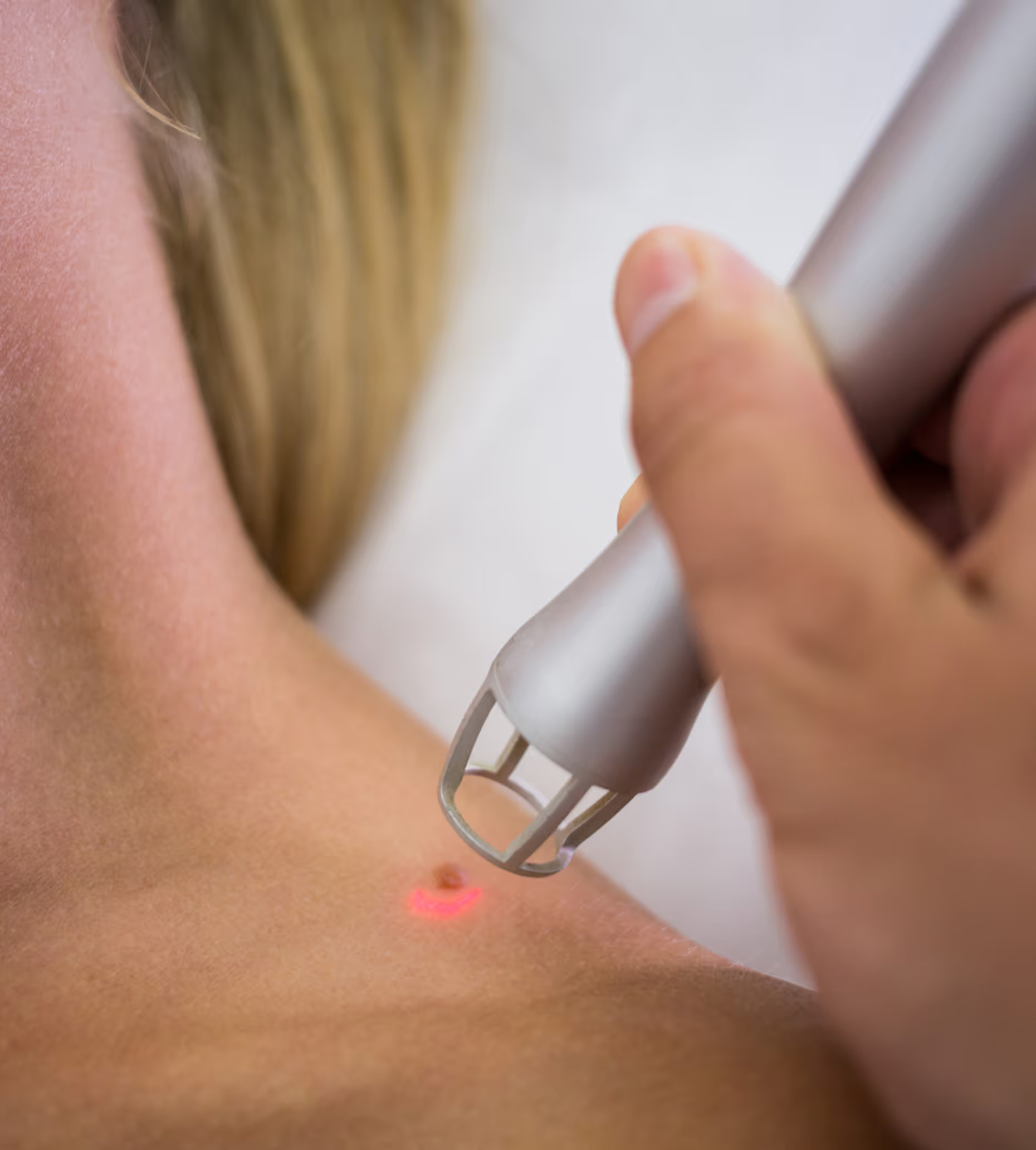
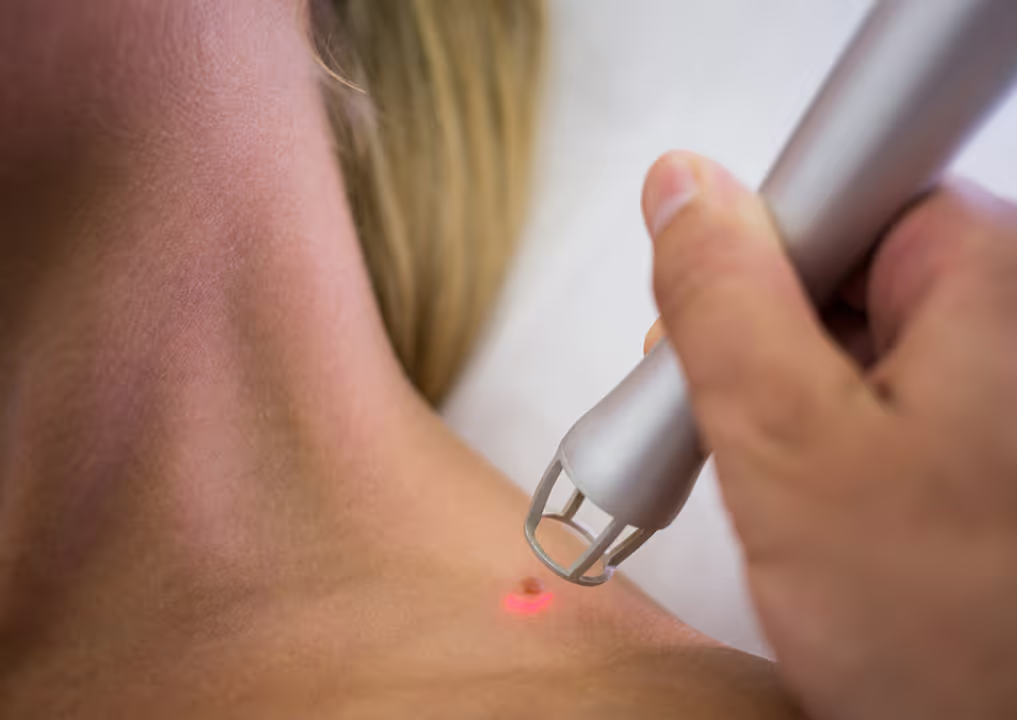
Dr. Hazany is a mole removal specialist located in Beverly Hills. While moles are benign, they have the potential to become cancerous. It is imperative to have yearly skin cancer screenings with your board-certified dermatologist for early detection of melanoma and other skin cancers. Patients must have skin cancer screenings if they have many moles or have a family history of melanoma. Dr. Hazany can remove moles if a patient does not like their appearance or if they are a skin cancer concern. He is well versed in mole removal surgeries such as surgical excision, surgical shaving, laser treatment, or liquid nitrogen, among other methods.
Frequently Asked Questions
Professional mole evaluation, monitoring, and removal ensures safety and optimal cosmetic outcomes at Hazany Derm.
What are moles and are they dangerous?
Moles are common skin growths resulting from collections of pigment-producing cells. Most moles are benign and pose no health risk. Moles are present from birth in some cases or develop over time from sun exposure. Most people have 10-40 moles by adulthood. Moles can be raised or flat, vary in size and color. Dr. Salar Hazany evaluates moles for cancer risk. Most moles are dark brown, but some are lighter. Very rarely, moles become cancerous (melanoma). Regular monitoring ensures early detection if changes occur.
When should moles be evaluated by a dermatologist?
Professional evaluation is warranted for moles that change in appearance. New moles appearing in adulthood warrant evaluation. Moles that itch, bleed, or become tender need professional assessment. Moles that change color, size, or shape require evaluation. The ABCDE rule guides concerning features: Asymmetry, Border irregularity, Color variation, Diameter larger than a pencil eraser, and Evolution (change). Dr. Hazany at Hazany Derm evaluates changing moles carefully. People with many moles need regular professional screening. Family history of melanoma increases monitoring importance at Hazany Derm.
How does Dr. Hazany evaluate moles for cancer risk?
Dr. Salar Hazany performs thorough mole examination using visual assessment and dermatoscopy. Visual inspection identifies concerning features suggesting possible melanoma. Dermatoscopy magnification reveals additional concerning characteristics. Digital photography documents moles for comparison over time. Dr. Hazany performs biopsies if melanoma is suspected. The team at Hazany Derm emphasizes careful evaluation of any changing or concerning moles. Professional expertise in identifying concerning features is critical at Hazany Derm. Regular monitoring allows early detection of malignant changes.
What are options for mole removal?
Several techniques remove moles depending on characteristics and depth. Shave removal removes raised moles with minimal scarring. Punch excision removes deeper moles with sutures. Dr. Hazany selects appropriate techniques at Hazany Derm. Laser removal can eliminate some superficial moles. Cryotherapy freezes moles, though results are less predictable. Cosmetic concern is typically the reason for removal at Hazany Derm. Shave removal is usually cosmetically superior for raised moles. Professional removal is superior to home removal methods.
Can moles be removed for cosmetic reasons?
Yes, moles causing cosmetic concern can be professionally removed at Hazany Derm. Many patients desire mole removal for appearance reasons. Removal from visible areas like the face improves confidence. Dr. Hazany performs mole removal with meticulous cosmetic technique. The team at Hazany Derm ensures optimal cosmetic outcomes. Careful removal technique minimizes scarring. Dr. Salar Hazany's expertise produces excellent cosmetic results. Professional removal is far superior to home removal attempts.
Should removed moles be biopsied?
Biopsies are recommended for moles with concerning features suggesting possible melanoma. Removed tissue should be sent for pathology examination if any concerns exist. Dr. Hazany recommends pathology review when appropriate. Pathology examination confirms whether moles are benign. Early detection of melanoma saves lives. Even if removed for cosmetic reasons, pathologic examination provides valuable information. The team at Hazany Derm sends tissue for examination professionally. Microscopic examination reveals information not visible clinically.
How can I monitor moles at home between Hazany Derm visits?
Monthly self-examination identifies new or changing moles effectively. The ABCDE rule guides self-monitoring: Asymmetry, Border irregularity, Color variation, Diameter over 1/4 inch, and Evolution (change). Using mirrors and a family member to examine hard-to-see areas helps. Photography documenting moles allows comparison over time. Report any concerning changes to Dr. Hazany promptly. Professional monitoring supplements self-examination at Hazany Derm. Annual professional screening is appropriate for most people.